DeLaRosa Fit – Personal Trainer in Las Vegas
  • Blog
  • Las Vegas Personal Training
  • Services
  • About Me
  • Contact
  • 0
Top Fitness Trends for 2025.
ActivitiesExerciseFitnessFitness TipsMental Health

The Top Fitness Trends for 2025: 10 Hot Gym and Fitness Trends This Year

by Anthony De La Rosa March 9, 2025
written by Anthony De La Rosa

Fitness is constantly evolving, and 2025 is shaping up to be a year where innovation, recovery, and accessibility redefine how we approach health and wellness. The latest trends offer something for all fitness and athletic levels. With the rise of advanced fitness apps, the growing popularity of hybrid training models, and a renewed focus on outdoor workouts, there has never been a better time to explore how fitness can fit into your lifestyle and goals.

These emerging trends are not just about keeping up with what’s new—they’re about making fitness more accessible, enjoyable, and tailored to individual needs. Fitness apps are leveraging technology like AI and personalized recommendations to provide workouts, recovery tips, and nutrition advice at your fingertips. Hybrid training combines the best of in-person classes and virtual workouts, allowing you to stay consistent whether you’re at home, on the road, or at the gym. Outdoor workouts, on the other hand, continue to inspire people to connect with nature while staying fit, offering mental and physical benefits that can’t be matched by indoor routines.

So let’s dive in. Here are some of the hottest fitness trends in 2025.

1. AI-Driven Personalization: Your Virtual Trainer Just Got Smarter

AI-Driven Personalization: The Future of Smarter Training

Forget generic workout plans — 2025 is the year of hyper-personalized fitness, thanks to artificial intelligence (AI). AI-driven training is revolutionizing people’s exercise, recovery, and eating by tailoring workouts and nutrition plans to individual goals, progress, and real-time data. If you’re training for muscle gain, endurance, or fat loss, AI can now analyze your performance, track recovery, and adjust intensity levels instantly.

Why is AI-Powered Fitness Trending?

  • Real-time adjustments. Unlike some static programs, AI-powered apps adapt workouts daily based on fatigue, sleep, and progress.
  • Better injury prevention. AI tracks movement patterns and strain levels, helping you avoid overtraining and injuries.
  • Smarter nutrition coaching. AI can recommend meal plans based on metabolism, performance, and dietary preferences.

Top AI-Powered Fitness Platforms

✅ Fitbod — Adjusts workouts dynamically based on strength progress.

✅ Whoop & Oura Ring — Tracks recovery, HRV, and sleep to optimize training.

✅ Future App — Offers AI-enhanced coaching with human trainers.

Tip: Let AI take the guesswork out of your fitness routine — train smarter with some of these fitness technologies that might help you with your training or to stay motivated.

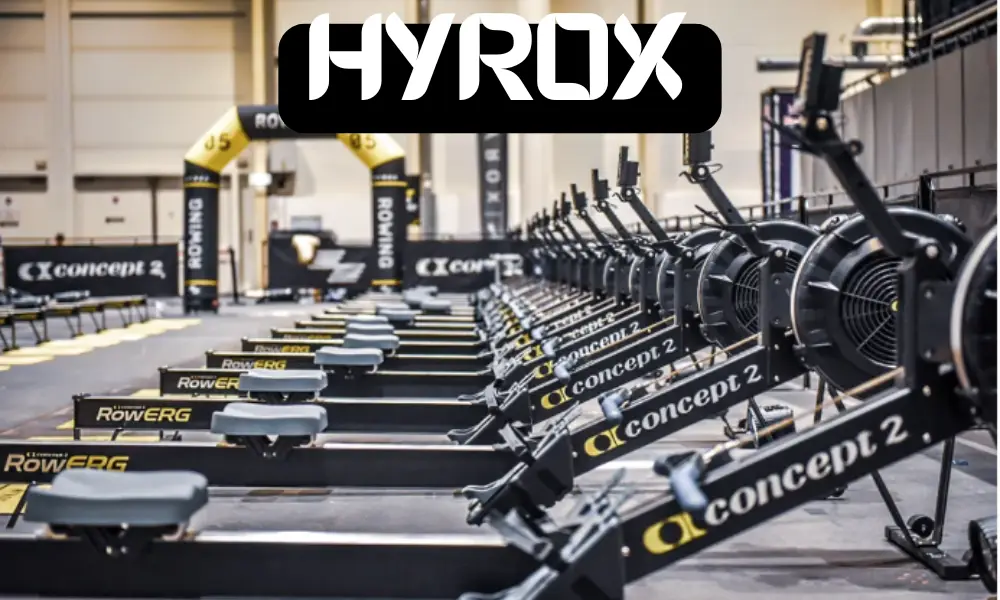
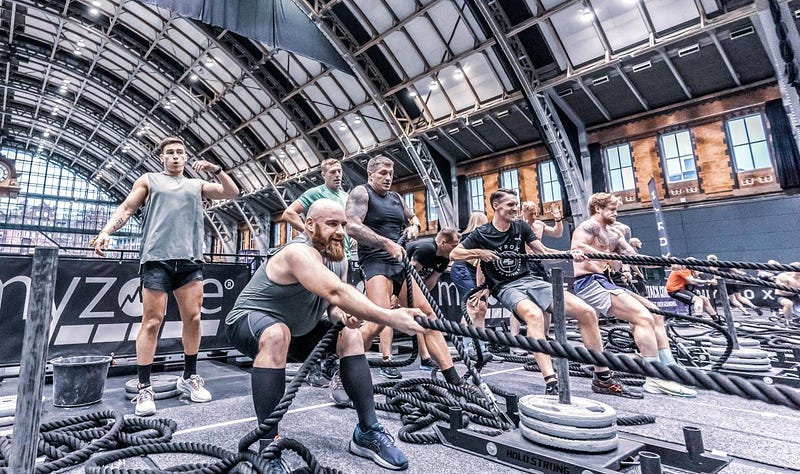
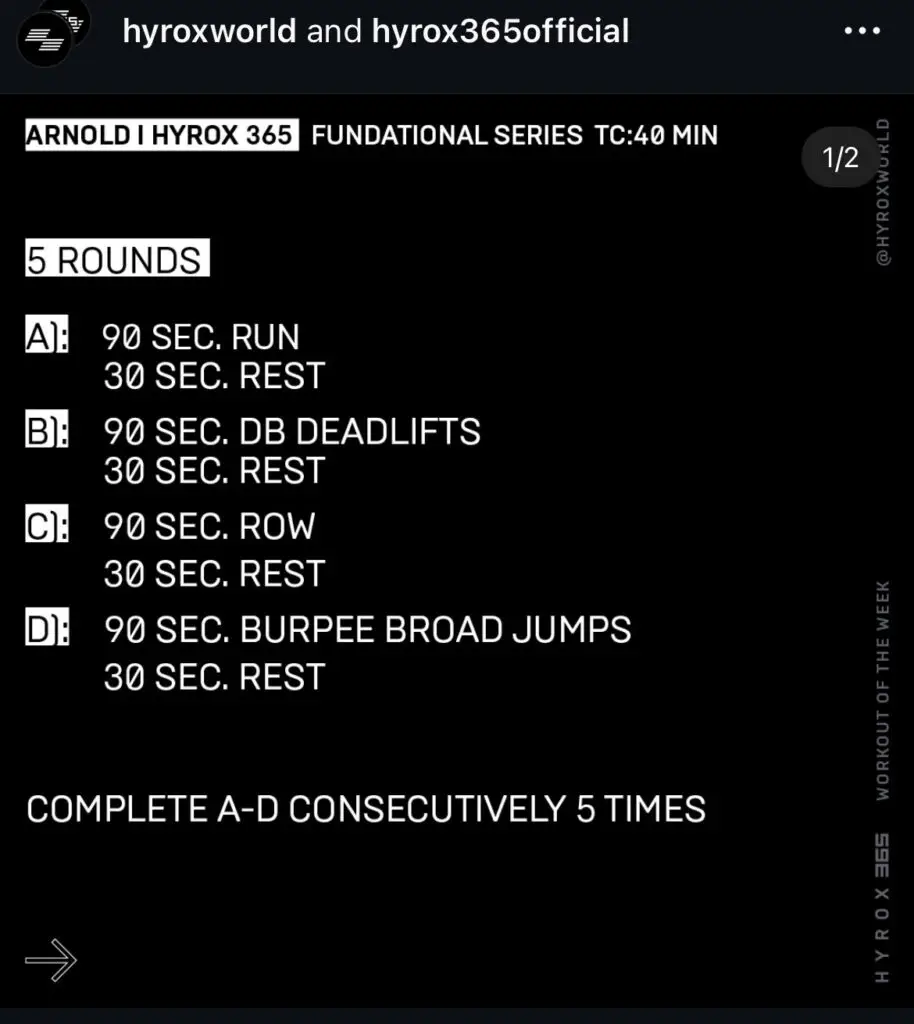
2. Hyrox: The Fitness Race That’s Taking Over the World

If CrossFit and endurance racing had a baby, it would be Hyrox. This global fitness competition combines functional strength training with endurance, creating a sport that’s both tough and community-oriented. It’s a fitness race that holds competitions like CrossFit but less heavy weight and technical lifts. Hyrox is considered a good mix of endurance-based exercises with functional strength. 

Why is Hyrox blowing up in 2025?

  • It bridges the gap between endurance exercises and strength training, making it appealing to all fitness levels.
  • Unlike CrossFit, Hyrox events are standardized, meaning competitors know exactly what to train for.
  • The community aspect is huge — Hyrox races feel like a giant fitness festival, making them incredibly motivating.

What’s in a Hyrox race?

✅ 1km run (.6 miles)

✅ Functional workout (Sled push, SkiErg, Burpees, Farmer’s Carries, Rowing, etc.)

✅ Repeat 8 times until you finish the race or workout

Who should try Hyrox?

  • If you love both running and lifting but hate choosing between them.
  • If you thrive in competitive yet supportive fitness communities.

Tip: Click here to read my full article on Hyrox. Even if you don’t plan on competing, training like a Hyrox athlete will help get you in great shape. The workouts are challenging and provide a good mix of strength-based exercises with cardio ones.

3. Recovery is No Longer Optional: Train Hard, Recover Harder

Gone are the days when “no pain, no gain” was the mantra. In 2025, recovery is just as important as training , and people are finally treating it that way. If you’re an athlete or regular gym goer, you should also focus on how well you rest, repair, and restore, as it impacts your performance and ability to stay injury-free.

Prioritizing mobility and recovery is taking center stage in 2025.

Why is recovery taking center stage?

  • More people are overtraining. High-intensity workouts like CrossFit, Hyrox, and HIIT are demanding, but they can lead to burnout, injuries, and stagnation without proper recovery.
  • Science-backed recovery methods are now mainstream. Athletes have long used cryotherapy, infrared saunas, and compression therapy — now, everyday gym-goers are reaping the benefits.
  • Wearables track recovery in real time. Devices like Whoop and Oura Ring measure HRV (Heart Rate Variability), sleep quality, and strain, helping athletes know when to push and rest.

Top Recovery Methods for 2025

✅ Cryotherapy & Ice Baths — Reduce inflammation and speed up muscle repair.

✅ Infrared Saunas — Boost circulation, aid detoxification, and improve sleep.

✅ Compression Therapy — Increase blood flow and reduce soreness with recovery boots.

✅ Guided Breathwork & Stretching — Optimize oxygen intake and relieve muscle tension.

Tip: Train hard, but recover harder — your next workout depends on it! As you get older or train more, you will likely need more recovery sessions to recover effectively.

4. Hybrid and Virtual Training: The Best of Both Worlds

Fitness is no longer confined to just the gym or just at home — in 2025, the rise of hybrid training offers the perfect balance of in-person and virtual workouts, giving people ultimate flexibility and accessibility. If you prefer the energy of a gym session and/or the convenience of an at-home workout, hybrid training allows you to seamlessly combine both.

Why is hybrid training booming?

  • People want flexibility. With busy schedules, being tied to a gym 5 days a week is unrealistic for most working adults with families. Virtual training fills the gaps on hectic days.
  • Online coaching is more advanced. AI-powered fitness apps and virtual personal trainers now offer real-time feedback, adaptive programs, and form correction.
  • Gyms are adapting. Many now offer hybrid memberships where you can attend in-person classes, but also access on-demand workouts at home or the gym.

How Hybrid Training Works

✅ In-person gym workouts for strength training & community

✅ Virtual HIIT, yoga, or mobility sessions on rest days

✅ AI-driven apps that adjust workouts based on recovery & progress

Tip: No excuses in 2025 if you can’t make it to the gym. Try a virtual session or use an app and keep the momentum going.

5. Wearable Technology: Your Fitness Data, Smarter Than Ever

Fitness trackers are not new, but in 2025, wearable technology is smarter, more integrated, and more accurate than ever. From tracking real-time performance metrics to optimizing recovery and even preventing injuries, wearables have evolved into essential fitness tools rather than just accessories.

Why are wearables more advanced than ever?

  • More than just steps and calories. The latest devices track HRV (Heart Rate Variability), sleep cycles, muscle fatigue, and even hydration levels, helping fine-tune your workouts and recovery.
  • AI-powered insights. New-gen wearables don’t just collect data — they interpret it and make personalized recommendations based on your strain, recovery, and stress levels.
  • Seamless integration. Fitness trackers now sync with smart home devices, meal plans, and even gym equipment, creating a fully connected health ecosystem.

Top Wearables in 2025

✅ Whoop 5.0 — Tracks strain, recovery, and sleep to prevent overtraining.

✅ Garmin Epix 2 Pro — Advanced sports tracking with GPS precision for endurance athletes.

✅ Apple Watch Ultra 2 — A powerful all-in-one health tracker with ECG, SpO2, and workout monitoring.

Tip: If you’re not tracking your fitness data, you could be training blindly — so let technology optimize your gains!

6. Shorter, High-Intensity Workouts: More Gains in Less Time

Shorter, High-Intensity Workouts: Maximum Results, Minimal Time

Time is the biggest excuse for skipping workouts — but in 2025, that excuse is dying. Shorter, high-intensity workouts are taking over, proving that you don’t need hours in the gym to see serious results. HIIT (High-Intensity Interval Training), EMOM (Every Minute on the Minute), or other circuit-style training are fast-paced sessions that maximize calorie burn, build strength, and improve endurance in a fraction of the time.

Why are shorter workouts dominating in 2025?

  • People are busier than ever. With work, family, and social lives pulling us in every direction, squeezing in a 20–45 minute workout is more practical for most people than committing to 90+ minute sessions.
  • Science backs it up. Studies show that short bursts of high-intensity exercise can be just as effective as traditional long-duration workouts. You won’t be able to build pure strength with a shorter rest time, but for those looking to burn fat and get leaner, intense exercises for 30 minutes can burn a lot in a short amount of time.
  • They improve metabolism. HIIT workouts create an afterburn effect (EPOC), meaning your body continues burning calories hours after you’ve finished. This can help get you into a caloric deficit if your goal is to lose weight.

Most Effective Short Workout Styles

✅ HIIT (High-Intensity Interval Training) — Short, intense bursts of movement with minimal rest.

✅ EMOM (Every Minute on the Minute) — One exercise per minute for ultimate efficiency.

✅ AMRAP (As Many Rounds as Possible) — A training method where you perform as many repetitions or rounds of an exercise as possible within a set time frame. It’s a great way to build endurance, strength, and mental toughness. Example: 10-minute AMRAP: 10 Push-ups, 12 Ball Slams, 15 Squats,. Only rest when you need to.

Tip: 20–45 minutes of intensity beats an hour of slow, unfocused training — work smarter, not longer!

7. Primal Fitness: Move Like Your Ancestors

In 2025, fitness is going back to its roots — literally. Primal Fitness emphasizes natural, functional movements like crawling, climbing, jumping, throwing, and sprinting to build full-body strength, agility, and resilience. Instead of isolating muscles like traditional weight training, this method trains the whole body at once and may help with coordination, mobility, and real-world athleticism.

Try this Primal Movement Flow here!

Why is Primal Fitness trending?

  • It’s how humans were meant to move. Our ancestors didn’t lift weights in the way that we think about it— they ran, climbed, carried things, and crawled to survive. This movement-based training enhances athleticism naturally.
  • It improves joint health and mobility. Many modern fitness routines neglect functional movement, leading to stiffness and injuries. Primal training may help keep joints healthy and mobile.
  • It’s highly adaptable. You don’t need a gym — you can train anywhere. Parks, forests, and even your backyard become your workout space. It’s also a great way to get your workouts on the road since you don’t need much equipment.

Key Movements in Primal Fitness

✅ Crawling — Bear crawls, crab walks, and leopard crawls build core strength and coordination.

✅ Climbing — Rope climbs, tree climbing, and rock scrambling develop grip strength and upper-body power.

✅ Jumping — Broad jumps, single-leg hops, and plyometrics enhance explosiveness and agility.

✅ Ground-based movement — Rolling, squatting, and lunging improve balance and mobility.

Tip: Ditch the machines for a bit and try a primal movement flow session — you’ll unlock some bodyweight strength and mobility in the process.

8. Holistic Wellness: Mind & Body, Together

Mental health and physical fitness are no longer separate topics. In 2025, the best fitness plans integrate both, recognizing that a strong mind complements a strong body. This holistic approach is gaining traction as people understand the interconnectedness of mental and physical well-being.

Top holistic wellness trends:

  • Mindful Movement: Practices like yoga, Tai Chi, and mobility work are booming as they promote not just physical strength, but mental clarity and reduced stress levels too.
  • Breathwork & Meditation: These practices help focus, manage stress, and improve well-being while improving lung health.
  • Journaling & Self-Reflection: More people are tracking their mental and physical progress, promoting self-awareness and accountability.

Pro Tip: Strong body, strong mind. Train both. More people are focusing on mental training, from athletes to CEO to ordinary people.

9. Outdoor & Nature-Based Workouts: Fitness Meets the Wild

In 2025, people are ditching the stuffy gym air and taking their workouts to nature. Outdoor and nature-based workouts aren’t just about fresh air — they offer mental, physical, and even emotional benefits that a gym setting can’t replicate. Whether it’s forest bathing workouts, trail running, or group boot camps in the park, more people are using the outdoors or outdoor workouts in their fitness regimen.

Rucking with a weighted vest or backpack is becoming popular with hikers and runners.

Why are outdoor workouts booming in 2025?

  • Nature reduces stress. Studies show that exercising in natural environments lowers cortisol levels and boosts mental well-being more than indoor workouts.
  • More space, more movement. Outdoor workouts allow for more functional movements like sprinting, jumping, and climbing, which engage the body differently than gym-based training.
  • Social & community-driven. Outdoor fitness groups and boot camps are thriving, creating a fun, supportive atmosphere that keeps people accountable.

Best Outdoor Fitness Trends

Trail Running & Rucking — Combining cardio and strength with natural resistance. Hiking with a weighted vest is a great way to burn more calories and build leg strength and endurance without the gym.

Park Calisthenics & Bodyweight Training — Think the old-school style workouts: pull-ups, dips, push-ups, bodyweight squats and lunges, animal flow, etc. It’s an easy and low-cost way to get your workouts in.

Run Clubs: Run clubs are surging in popularity in most major cities. Each city or neighborhood usually have its own clubs you can look into, but Meetup.com is a good way to find running groups in the area. 

Tip: Next time you feel burnt out from the gym, swap the treadmill for a trail — you won’t regret it!

10. Lagree Fitness: The Pilates Evolution You Didn’t See Coming

If you think Lagree Fitness is just another form of Pilates, think again. This high-intensity, low-impact workout is growing by leaps, thanks to its muscle-torching, full-body conditioning benefits. Using a Megaformer machine (a futuristic version of a Pilates reformer), Lagree focuses on slow, controlled movements that maximize time under tension, leading to insane core strength, endurance, and muscle sculpting.

Why is Lagree exploding in popularity?

  • It’s brutally effective but easy on the joints. Unlike high-impact workouts like CrossFit or HIIT, Lagree delivers intensity without stressing the joints, making it ideal for longevity or those wanting to improve their mobility through a workout.
  • The slow movements = serious muscle burn. Lagree’s signature tempo-based training forces muscles to work longer under resistance, creating deep, slow-burning contractions for strength and endurance.
  • It bridges strength and mobility. Lagree workouts improve core stability, flexibility, and muscular endurance — perfect for both athletes and everyday movers.

What a Lagree Workout Looks Like

✅ Megaformer-based resistance training — Core, legs, glutes, and upper body machines can hit most muscle groups of the body, depending on the exercise. 

✅ Slow, controlled movements — Maximizing muscle tension and engagement. Prepare for some isometric holds and use your body weight for resistance. 

✅ Constant core activation — Every move is a balance challenge, so it’s a great way to hit the abs and torso during the workout.

Tip: If you’ve never tried Lagree, prepare to shake like never before — it’s tougher than it looks!

Final Thoughts: The Future of Fitness in 2025

Fitness in 2025 is smarter, more efficient, and more personalized than ever before. Fitness is clearly evolving beyond traditional weightlifting and treadmill running, embracing advancements like AI-driven workout plans, Hyrox competitions, and recovery methods such as cryotherapy and breathwork. The industry is shifting towards smarter training, better recovery, and more accessibility for all fitness levels.

Technology is leading the charge with wearables that analyze recovery and AI-powered programs that adapt in real time. Meanwhile, people are ditching the more time-consuming workouts in favor of shorter, high-intensity sessions that deliver maximum results in minimal time. Hybrid training is thriving, combining in-person strength work with virtual flexibility, while outdoor and primal fitness trends are bringing movement back to nature.

At the same time, new types of workouts like Hyrox and Lagree Fitness are redefining low-impact, high-intensity training, and inclusive fitness to ensure that more people , regardless of age or ability , can train effectively.

The future of fitness is here, and it’s customized, data-driven, and built for longevity. Trying one of the trends training for performance, aesthetics, or just staying active, 2025’s biggest fitness trends offer more ways to reach your goal to hit your fitness and health goals.

Now, which trend are you wanting to try?

Thanks for reading. Subscribe to the newsletter to get new articles and fitness tips!
March 9, 2025 0 comments
0 FacebookTwitterPinterestEmail
FitnessFitness TipsGym

What Are The Pros and Cons of Planet Fitness?

by Anthony De La Rosa December 4, 2024
written by Anthony De La Rosa

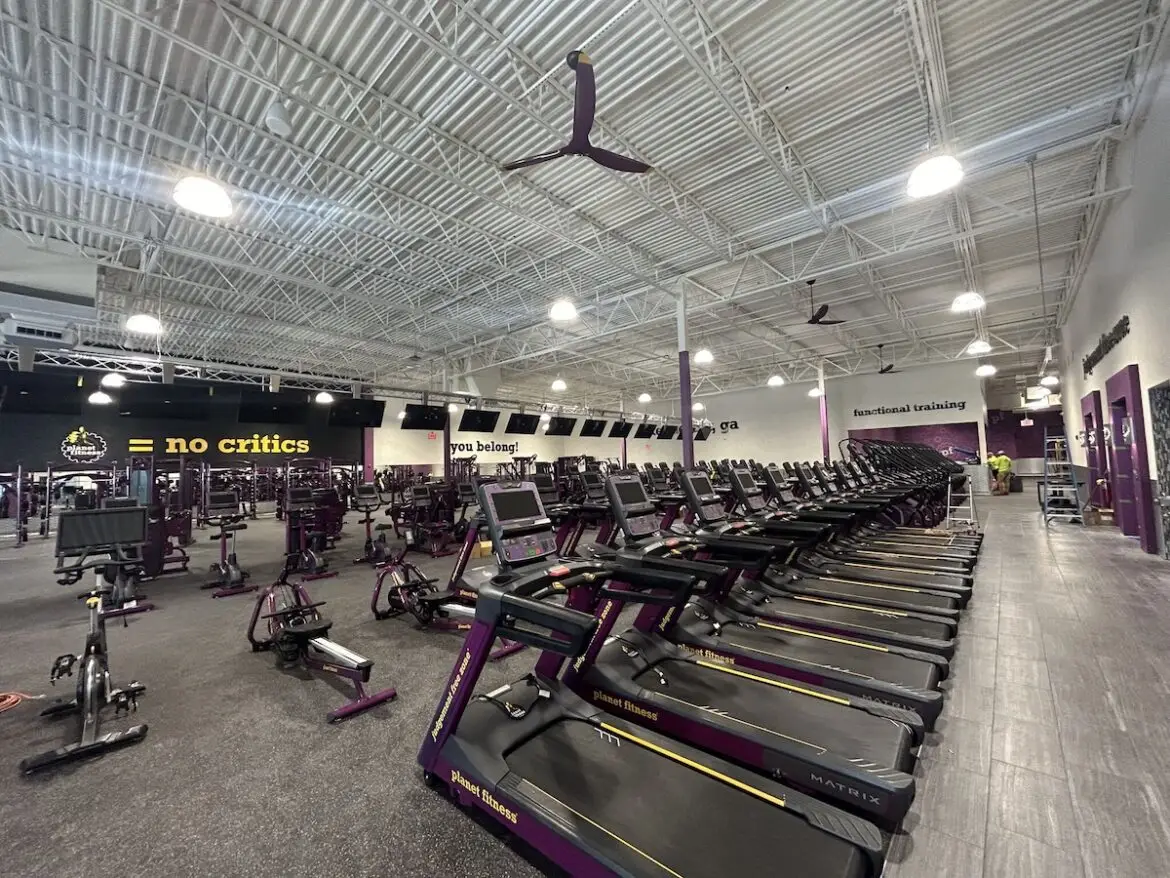
Planet Fitness has emerged as one of the most recognized gym chains in the United States, boasting over 2,000 locations nationwide. Known for its budget-friendly membership and unique “Judgment Free Zone” ethos, it appeals to a wide range of fitness enthusiasts. But like any fitness center, it comes with its pros and cons for those looking to join a new gym. I’m going to break down going to a typical Planet Fitness, to help you decide whether it fits your fitness goals.

Pros

1. Affordable Memberships

One of the best features of Planet Fitness is its affordability. With membership options starting as low as $10 per month, it’s accessible to a broad demographic, including students, young professionals, and retirees. The low cost allows people to join a gym without making a significant dent in their budget, making fitness more easily accessible if you’re looking for a low membership cost.

2. Judgment Free Zone

Planet Fitness markets itself as a “Judgment Free Zone,” a space where gym-goers can work out without feeling self-conscious. This inclusive atmosphere is especially appealing to beginners and those who may feel intimidated by more traditional gyms. The emphasis on creating a welcoming environment encourages people to start and maintain a fitness routine.

We’ll get into how this can be a con for some people, but the gym mandates that there isn’t excessive noise and dropping of weight from members.

3. Variety of Equipment

Despite its budget-friendly pricing, Planet Fitness offers a wide range of equipment. From cardio machines like treadmills, ellipticals, and stationary bikes to strength training equipment such as free weights and resistance machines, the gym caters to various workout preferences. This variety allows members to use a lot of different equipment.

Most of the gyms are big and have different spaces throughout the gym where people can work out. Most have a back area with another cable machine where you can do core, floorwork, or extra cardio like jump roping.

Although there is a lot of floor space, some people complain the weightlifting area can be small or sometimes become too packed. If you’re going during peak times and want to weightlift, it can sometimes be hard to get the machines, benches, or space you might need.

4. No Contract Options

Planet Fitness offers no-contract membership options, allowing members to cancel their membership without facing hefty fees. This flexibility is attractive to those who may have uncertain schedules or who prefer not to commit long-term.

5. Clean and Well-Maintained Facilities

Members often praise Planet Fitness for its cleanliness. The gym prioritizes maintaining a tidy and hygienic environment, with staff regularly cleaning equipment and common areas. This commitment to cleanliness enhances the overall workout experience and ensures a pleasant atmosphere.

Looking for a Planet Fitness Gym near you? Check out their gym locator to see if there is a gym in your area: https://www.planetfitness.com/gyms/.

6. Perks with Black Card Membership

For an extra cost, members can opt for the Black Card membership, which comes with several perks. These include access to any Planet Fitness location, use of massage chairs, tanning beds, and HydroMassage, as well as the ability to bring a guest for free. These amenities provide some extra amenities if that’s something you’re looking for.

Cons

1. Limited Weightlifting Options

While Planet Fitness offers a variety of equipment, its weightlifting options are relatively limited. The gym does not provide barbells or heavy dumbbells, which can be a significant drawback for more serious lifters. The heaviest dumbbells typically go up to 60 or 75 pounds, which may not be enough for those looking into heavy strength training.

2. Lunk Alarm

The infamous “Lunk Alarm” is a controversial feature at Planet Fitness. The alarm is set off when someone is deemed to be grunting, dropping weights, or engaging in behavior that the gym considers intimidating. While the intention is to maintain a non-intimidating environment, the Lunk Alarm can be disruptive and may discourage individuals from pushing themselves during workouts.

Comments on the “Lunk Alarm” from users on Reddit: Lunk Alarm

3. Lack of Group Classes

Unlike many other gyms, Planet Fitness does not offer a wide range of group fitness classes. While some locations may have a few options like Zumba or yoga, the overall selection is limited. For those who enjoy a group setting and the camaraderie and motivation that come with group classes, this can be a downside.

Planet Fitness shouldn’t be chosen for group classes though. The low-cost membership and plenty of equipment and machines are what get people to join.

4. Limited Personal Training

Personal training services at Planet Fitness are also limited. While some locations offer introductory sessions and basic training programs, the depth and availability of personal training can vary widely. For individuals seeking consistent, personalized training plans, this may not meet their expectations.

5. Crowded During Peak Hours

Due to its affordability and popularity, Planet Fitness can get crowded, especially during peak hours. This can make it challenging to use popular equipment and have an uninterrupted workout routine. Members may need to adjust their schedules to avoid these busy times or be prepared for potential wait times.

6. Mixed Quality Across Locations

Since Planet Fitness is a franchise, the quality and experience can vary significantly from one location to another. Some gyms may be well-equipped and maintained, while others may fall short in terms of cleanliness, equipment availability, or customer service. It’s important to visit a specific location and evaluate its quality before committing to a membership.

Who is Planet Fitness For?

  • Beginners and Casual Gym-Goers: Planet Fitness offers a welcoming environment for individuals who are new to working out or those who exercise occasionally. Its non-intimidating atmosphere encourages newcomers to pursue their fitness goals without feeling overwhelmed.
  • Budget-Conscious Individuals: The gym provides an affordable membership structure with no-frills amenities, making it an attractive option for people looking to maintain a fitness routine without breaking the bank.
  • People Seeking Basic Equipment: With a variety of cardio machines, weight training equipment, and circuit training, it caters to those who want to focus on fundamental workouts rather than specialized training.
  • Social Exercisers: The inclusive culture fosters camaraderie among members, appealing to those who enjoy exercising in a community setting where they can connect with others.
  • Individuals Who Value Convenience: With numerous locations and extended hours, Planet Fitness is designed for those who prioritize accessibility and flexibility in their workout routines.

Who Planet Fitness Is Not For?

  • Serious Athletes: Those training for competitions or seeking advanced equipment may find Planet Fitness lacking, as it does not typically offer Olympic weightlifting platforms or specialized strength training gear.
  • Hardcore Bodybuilders: The gym’s environment and equipment may not meet the demands of individuals who require heavy lifting routines or are looking to achieve specific bodybuilding goals.
  • Those Looking for Specialized Classes: Planet Fitness does not provide a wide range of advanced fitness classes or programs, which might deter those looking for a more diverse workout experience.
  • Members Seeking Personal Training or Niche Group Classes: While some locations have staff available, the absence of personal trainers might be a drawback for individuals who prefer personalized guidance and tailored workout plans.
  • Individuals Requiring Premium Amenities: Planet Fitness lacks many of the luxury features found in higher-end gyms, such as swimming pools, saunas, or extensive wellness services, making it less suitable for those who prioritize such amenities.

Should You Join Planet Fitness?

Planet Fitness offers an affordable and accessible option for those looking to start or maintain a fitness routine. Its welcoming atmosphere, variety of equipment, and budget-friendly memberships make it an attractive choice for many.

However, its limitations in weightlifting options, group classes, and personal training services may not suit everyone, especially those with more advanced fitness goals. Ultimately, whether Planet Fitness is the right gym for you depends on your individual needs and preferences. If you value affordability, a non-intimidating environment, and basic fitness amenities, Planet Fitness is worth considering.

However, if you require extensive weightlifting equipment, a variety of group classes, and comprehensive personal training services, you might want to explore other options.

Evaluating your fitness goals and priorities will help you make an informed decision about whether Planet Fitness aligns with your needs. Remember, the best gym for you is one that you feel comfortable in, can stay consistent with, and helps you achieve your goals!

Thanks for reading my article! Stay up-to-date with new articles through my e-mail newsletter! Sign up, and get a free 8-week Strength Training Program!

December 4, 2024 0 comments
0 FacebookTwitterPinterestEmail
ExerciseFitnessFitness TipsMental HealthWalkingWeight Loss

Boost Your Fitness and Mental Well-Being: The Power of Walking for Exercise

by Anthony De La Rosa December 3, 2024
written by Anthony De La Rosa 7 minutes read

‍Walking is a simple and accessible form of exercise that has been shown to have numerous benefits for both physical health and mental well-being. The simplicity of walking often goes overlooked. Taking a stroll isn’t just a means of getting from point A to point B — it’s a powerful tool for our bodies and minds. It improves cardiovascular health by alleviating stress and anxiety, and is a powerful low-impact exercise that helps you lose weight by burning extra calories.

In this article, I’ll discuss the days walking can enhance your overall well-being, provide tips for incorporating walking into your daily routine, and discuss the gear and accessories that can make your walking experience more comfortable and enjoyable.

The benefits of walking for fitness and happiness

Walking is a low-impact exercise that can be enjoyed by people of all ages and fitness levels. It is a great way to get your body moving without putting excessive strain on your joints. Regular walking has been shown to improve cardiovascular health, strengthen muscles and bones in the lower body, and help with weight management.

In addition to its physical benefits, walking also has a positive impact on mental health and happiness. When we walk, our bodies release endorphins, which are natural mood elevators. This can lead to a reduction in stress, anxiety, and depression. Walking outdoors in nature can be particularly beneficial, as it provides an opportunity to disconnect, and connect with nature for a moment.

The benefits of walking are profound, here is a quick snippet of some benefits of walking.

How walking improves physical health

Walking is a great way to improve your physical health. It is a weight-bearing exercise, that helps strengthen your bones and reduces the risk of osteoporosis in the legs. Walking also increases your heart rate and improves circulation, lowering your risk of heart disease and stroke. Additionally, regular walking can help to improve your balance and coordination, reducing the risk of falls and injuries for the elderly. 

To maximize the physical benefits of walking, it is important to maintain good form and technique. Keep your head up, shoulders back, and arms relaxed. Take long strides and land on your heel, rolling your foot forward to push off with your toes. This will help to engage your muscles and prevent any unnecessary strain on your joints. Remember to start slowly and gradually increase the intensity and duration of your walks to avoid overexertion.

How walking improves mental health and happiness

Walking outdoors potentially has even more benefits for your health
Walking outdoors potentially has even more benefits for your health. Photo by Emma Simpson on Unsplash

Walking has a profound impact on mental health and happiness. When we walk, our bodies release endorphins, which are chemicals that help to elevate our mood and reduce feelings of stress and anxiety. This natural mood boost can have a lasting effect, helping to improve overall mental well-being.

In addition to the release of endorphins, walking also provides an opportunity for mindfulness and self-reflection. As we walk, we can tune in to our surroundings, notice the beauty of nature, and let go of any racing thoughts or worries. Walking can be a form of active meditation, allowing us to clear our minds, reduce stress, and improve our ability to focus and concentrate.

It’s also a good way to listen to your favorite music and podcasts. Getting your steps in while listening to something you enjoy is a good way to get thoughts and stress off of your mind. 

Other surprising benefits of walking by Harvard Health.

Walking vs. Other Forms of Exercise

While walking may not be as intense as other forms of exercise, such as running or weightlifting, it still offers a wide range of health benefits. One of the advantages of walking is that it is a low-impact exercise, meaning that it puts less stress on your joints compared to higher-impact activities. This makes it a great option for people with joint pain or injuries.

Another benefit of walking is its accessibility. You don’t need any special equipment or a gym membership to go for a walk. All you need is a comfortable pair of shoes and a safe place to walk. Whether you prefer to walk around your neighborhood, in a local park, or on a hiking trail, there are many options for incorporating walking into your daily or weekly routine.

Tips for incorporating walking into your daily routine

If you’re looking to incorporate more walking into your daily routine, here are some tips to help you get started:

  1. Start small: Begin by taking short walks around your neighborhood or during your lunch break. Gradually increase the duration and intensity of your walks as you build up your fitness level.
  2. Find a walking buddy: Walking with a friend or family member can make the experience more enjoyable and help to keep you motivated. Schedule regular walking dates and use this time to catch up and connect.
  3. Set goals: Set realistic goals for yourself, such as walking a certain number of steps per day or completing a specific distance. Having a goal to work towards can provide motivation and a sense of accomplishment.
  4. Make it a habit: Try to incorporate walking into your daily routine by scheduling it at the same time each day. Consistency is key whether it’s in the morning, during your lunch break, or in the evening. The great thing about taking a stroll is that you can do it outside, or in a gym on a treadmill (add the incline for a little more of a caloric burn).

Setting goals and tracking progress with walking

Setting goals and tracking your progress can be a great way to stay motivated and ensure that you are getting the most out of your walking routine. There are several ways to track your walking progress, such as using a pedometer or fitness tracker, keeping a journal, or using a mobile app.

Start by determining what you want to achieve with your walking routine. This could be a certain number of steps per day, a specific distance, or a target time. Once you have set your goals, track your progress regularly. This will allow you to see how far you have come and provide a sense of accomplishment.

It’s important to remember that progress may not always be linear. Some days you may walk more than others, and that’s okay. The key is to stay consistent and keep moving forward. Celebrate your achievements along the way and don’t be too hard on yourself if you have an off day. Just get back to it the next day or the next time you have a walk planned.

Here are other tips for setting smart and realistic goals with walking.

Walking gear and accessories for a comfortable and enjoyable experience

While walking requires minimal equipment, there are a few key items that can enhance your experience and make your walks more comfortable. Here are some walking gear and accessories to consider:

  1. Walking shoes: Invest in a good pair of walking shoes that provide support and cushioning for your feet. Look for shoes that fit well and have a flexible sole for a natural stride.
  2. Moisture-wicking clothing: Choose clothing made from moisture-wicking materials that help to keep you cool and dry during your walks. This is especially important if you live in a hot and humid climate.
  3. Sun protection and/or hats: Don’t forget to protect yourself from the sun’s harmful rays. Wear a hat, sunglasses, and sunscreen to prevent sunburn and reduce the risk of skin damage.
  4. Water bottle: Stay hydrated during your walks by carrying a water bottle with you. Sip water regularly to replenish fluids and prevent dehydration.

6-Week Walking Exercise Program

Walking is a fantastic low-impact exercise that can help improve cardiovascular health, boost mood, and maintain fitness. Here’s a 6-week walking exercise program designed to gradually increase your endurance and strength:

Week 1: Building the Foundation

  • Monday: 15-20 minute brisk walk
  • Tuesday: Rest and/or light stretching
  • Wednesday: 15-20-minute brisk walk
  • Thursday: Rest or light stretching
  • Friday: 20-minute brisk walk
  • Saturday: 20-minute leisurely walk
  • Sunday: Rest

Week 2: Increasing Duration

  • Monday: 20-25 minute brisk walk
  • Tuesday: Rest or yoga
  • Wednesday: 20-25 minute brisk walk
  • Thursday: Rest or light stretching
  • Friday: 20-25 minute brisk walk
  • Saturday: 20-25 minute brisk walk
  • Sunday: Rest

Week 3: Introducing Intervals

To make the exercise of walking tougher and improve our cardiovascular endurance, it’s a good idea to incorporate intervals into the walking. Walking fast for five minutes, slowing down the pace, and re-upping the intensity can lead to better cardio workouts when walking.

  • Monday: 30-minute walk; vary the intensity to fast, medium, and slower paces.
  • Tuesday: Rest or yoga
  • Wednesday: 30-minute walk with intermediate stopping for 15-20 seconds every 3-5 minutes.
  • Thursday: Rest or light stretching
  • Friday: 30-minute walk; increasing the intensity or incline if available.
  • Saturday: 30-minute leisurely walk
  • Sunday: Rest

Week 4: Increasing Intensity

  • Monday: 35-minute walk; trying to up the pace for the week.
  • Tuesday: Rest or yoga
  • Wednesday: 35-minute walk with increasing intensity.
  • Thursday: Rest or light stretching
  • Friday: 35-minute walk with intervals like last week.
  • Saturday: 35-minute leisurely walk
  • Sunday: Rest

Week 5: Adding Hills

  • Monday: 40-minute walk incorporating hills or inclines. Use a treadmill if necessary.
  • Tuesday: Rest or yoga
  • Wednesday: 40-minute walk incorporating hills or inclines
  • Thursday: Rest or light stretching
  • Friday: 40-minute walk incorporating hills or inclines
  • Saturday: 40-minute leisurely walk
  • Sunday: Rest

Week 6: Final Push

  • Monday: 45-minute walk with the intervals mixed in like previous weeks.
  • Tuesday: Rest or yoga
  • Wednesday: 45-minute walk with hills, or incline on a treadmill.
  • Thursday: Rest or light stretching
  • Friday: 45-minute walk with 1-minute brisk intervals every 3 minutes
  • Saturday: 45-minute leisurely walk
  • Sunday: Rest

Follow These Walking Tips and Try to Stay Consistent

In conclusion, walking is a powerful tool for improving both physical fitness and mental well-being. It offers numerous benefits for our overall health, from strengthening our muscles and bones to reducing stress and anxiety. By incorporating walking into our weekly routine, setting goals, and tracking our progress, we can make walking a habit that’s going to boost your overall well-being.

So, why not lace up your shoes, step outside, and start walking today? Your body and mind will thank you!

Thanks for reading my article! Please subscribe for more fitness, nutrition, strength and conditioning, boxing, and more articles!

December 3, 2024 0 comments
0 FacebookTwitterPinterestEmail
All about Hyrox
ExerciseFitnessRunning

The Rise of Hyrox: A New Era of Fitness Racing and Training

by Anthony De La Rosa November 28, 2024
written by Anthony De La Rosa

Recently, a new type of fitness competition has emerged: Hyrox. Founded in 2017 by Christian Toetzke and Moritz Furste in Germany, Hyrox has quickly become a global sensation, attracting former athletes to regular gym-goers who want to get fitter.

This unique fitness-racing format combines functional strength exercises with endurance ones, creating a challenging competition. It has similarities with CrossFit, using a competition-style workout but with less heavy lifting and Olympic-style lifts.

But what exactly is Hyrox, and why has it gained such popularity?

What is Hyrox?

Hyrox is a fitness-racing sport and a new type of workout that tests participants’ strength, stamina, and mental toughness. The competition format consists of eight workout stations, each separated by a 1km run (.6 miles), totaling 8 kilometers with a series of functional strength exercises mixed in. 

These stations include exercises such as sled pushes, burpee broad jumps, rowing, farmers’ carries, sandbag lunges, wall balls, and SkiErg. The goal is to complete all tasks as quickly as possible, with the total time determining the winner.

Hyrox is also a fast-growing partner with gyms, without the gyms becoming considered “Hyrox Gyms”, although there are gyms that brand themselves exclusively with Hyrox. 

The Appeal of Hyrox

One key reason for Hyrox’s rapid rise in popularity is its accessibility. Unlike other fitness competitions, Hyrox is open to everyone, regardless of their level of fitness. It doesn’t require specialized equipment or vast experience with Olympic lifting. Hyrox uses simple and often familiar movements. 

This inclusivity has attracted diverse participants, from regular gym-goers to former professional athletes. Also, the standardized format ensures that each race is identical, allowing athletes to compare their times and progress globally. You can compete against those in your gym and across the world.

The Hyrox Community

The Hyrox community is known for its strong sense of camaraderie and support. Athletes often share training tips and encourage each other, creating a positive and uplifting environment. This community spirit has contributed to the growth of Hyrox, with events now held in major cities across Europe, North America, and internationally.

Hyrox events are also run in waves, promoting a strong community atmosphere where participants can support and compete against one another. The event format encourages both personal motivation and teamwork, as teams and individuals push each other through the challenges. There are individual, doubles, and team events.

The consistent structure of Hyrox events means that athletes can train specifically for them. With standardization across locations and times, participants can measure their performance against others globally — this tracking of fitness progression is appealing to people who thrive on competition.

For a list of events, gyms, and community events, check out https://hyrox.com/

History of Hyrox

Hyrox was founded to create a standardized, accessible fitness competition that combines strength and endurance challenges. Since its launch in Germany in 2017, HYROX has quickly become one of the world’s fastest-growing fitness sports, expanding to races in over 11 countries and more than 30 cities.

Former athletes from various sports and entertainment entertainers participate and help promote Hyrox events. The company and participants have done a good job of growing it with social media and community events throughout the world. The founders’ vision of making fitness more engaging and competitive has resonated with many, leading to Hyrox’s continued success. 

Hyrox vs. CrossFit

While Hyrox and CrossFit share some similarities, there are differences between the two. Both involve functional fitness exercises and require participants to have excellent conditioning. However, Hyrox focuses more on endurance and combines running with different exercises, whereas CrossFit emphasizes high-intensity, varied workouts that change daily.

CrossFit, on the other hand, comprises WODs or Workouts of the Day (that change every day). These workouts are not limited to a fixed structure, allowing for a more diverse training approach, but lack the standardized competition format of Hyrox.

Although CrossFit is strength and endurance-based too, their lifts are usually more technical. Heavy deadlifts, back and front squats, power and hang cleans, butterfly pull-ups, cleans, swimming, etc., are all added to various CrossFit events and workouts. Hyrox usually uses the 8 exercises mixed with the 1-kilometer runs. Hyrox events are standardized and identical worldwide, while CrossFit workouts can vary significantly from one gym to another.

Hyrox Exercises 

Sled Pulls and Pushes are one of the main exercises in the Hyrox workout.

For those looking to take their fitness to the next level, here are some Hyrox exercises and basic training programs to incorporate into your training routine:

  1. Start with a 1 1-kilometer run
  2. Sled Pushes and Pulls: Incorporate sled pushes and pulls into your workouts to build lower body strength and endurance. Aim for 3 sets of 20 meters, increasing the weight as you progress.
  3. Burpee Broad Jumps: Perform Burpee broad jumps to improve explosive power and cardiovascular endurance. Start with 3 sets of 10 jumps, gradually increasing the number of sets and reps.
  4. Rowing: Rowing is a key component of Hyrox, so include it in your training. Aim for 200-300 meters to start, gradually increasing until you can hit up to 1,000 meters.
  5. Farmers’ Carries (2×24/16 kg; heavier for competition): Farmers’ Carries are excellent for building grip strength and overall body stability. Perform 3 sets of 40 yards/meters, holding a heavy weight in each hand.
  6. Sandbag Lunges (10 kg/22 lbs, 20 kg/44 lbs, 30 kg/66 lbs): Sandbag lunges are great for targeting the lower body muscles. Do 3 sets of 12 lunges on each leg, using a sandbag on your back. In Hyrox rules, the knee has to touch the ground, so make sure you are doing the full movement. If you don’t have sandbags, you can use dumbbells, kettlebells, and walking barbell back lunges for advanced lifters.
  7. Wall Balls (9/6 kg.): Wall balls are a full-body exercise that combines functional strength exercises and cardio endurance. Hit different numbers with various workouts, such as 15-20-25 reps.
  8. SkiErg: The SkiErg is a staple in Hyrox competitions, so incorporate it into your workouts. Perform various sets of time and meters for this exercise to improve your aerobic capacity. For example: 200 meters for time, rest, and repeat 5 times. Gradually increase the number of meters or time worked on the SkiErg.

Running plays a significant role in Hyrox, so incorporating long runs, interval training, and pace assessment is important. Athletes should aim for a balance between distance runs and sprint workouts to effectively prepare for the segment of running between stations.

Hyrox Training Tips

  1. Endurance Training:

Running plays a significant role in Hyrox, incorporating long runs, interval training, and pace assessments is crucial. There are multiple .6 miles/ 1 km run per event and workout. Depending on your running ability and cardio, that could be anywhere from 6–8 minutes for general fitness people. Runners and those with good running cardio would be anywhere from 4–6 minutes. So, working in these run lengths would be beneficial for the running portion of Hyrox.

Also, it’s good to aim for a good balance between distance runs and sprint workouts to effectively prepare for the segment of running between stations. Getting faster will help with running, and having endurance will help you push through with the Hyrox runs. 

2. Strength Training:

Developing the strength to do well at the functional stations of Hyrox is very important as well. It’s not fun to struggle with these exercises, trying to push or pull a sled without the strength to handle the exercise well. Or your legs giving out on the long sandbag lounges. Developing the strength to handle these movements is essential. 

Compound lifts are a great way to build the overall strength necessary to compete. Although you want to work in a lot of the Hyrox exercises, these exercises will help you gain overall strength and should improve the movements you’ll be competing in:

  • Deadlifts, Squats, Step-ups with weights, Romanian Deadlifts, Split Squats and Bulgarian Split-Squat, Hamstring Curls, Side-Lunges
  • Row variations (cabled, seated, inverted, machine), Military or Overhead Bar and Dumbbell Presses, Pull-ups/Pull-downs, Carries

3. Interval Workouts:

Incorporating high-intensity interval training (HIIT) routines specifically targeting the movements in the Hyrox course will be helpful for your training. Sequences that include sled pushes, burpees, and kettlebell swings can condition the body to the demands of the competition.

You can also use other equipment to mix up your interval workouts. Jump rope, rowing, broad or squat jumps, ball slams and throws, etc. These will help get your heart rate up and improve cardio so that you can handle different stations during Hyrox workouts. 

4. Mobility, Recovery, and Rest:

Flexibility and mobility work cannot be overlooked, as they help prevent injury and maintain proper form under fatigue. Regularly scheduled recovery sessions, foam rolling, and stretching should be integrated into the training program.

If you don’t do mobility or stretching much on your own, maybe join a nearby class so that you’re encouraged to do these recovery exercises. Rememberthat resting properly between these intense exercises is important, especially if you are new or haven’t done this type of training in a while. 

Will You Give Hyrox a Try?

Hyrox has come up in the fitness world with its unique combination of functional fitness and cardio. Its accessibility, standardized format, and strong community have contributed to its rapid rise in popularity. Whether you’re a seasoned athlete or a fitness enthusiast looking for a new challenge, Hyrox offers an exciting and demanding experience that will push you to your limits.

With its methodical structures, competitive driving force, and a focus on overall fitness, Hyrox is not just a passing trend; it’s a similar but new alternative to those not wanting to train CrossFit. Its demanding workouts will push you and encourage competitors, and those wanting to get fit with a challenging workout, to train hard and have fun doing it. 

Thanks for reading my article. Please check out some of my other blog articles at delarosafit.com/blog.

November 28, 2024 2 comments
0 FacebookTwitterPinterestEmail
ExerciseFitnessFitness TipsRunningStrength TrainingWeight Loss

Introducing Sprint Training Into Your Fitness Routine

by Anthony De La Rosa June 29, 2024
written by Anthony De La Rosa

Sprinting is a powerhouse exercise that offers many benefits for those looking to improve their fitness and reach their body composition goals. This high-intensity exercise involves short bursts of near maximum-effort running, followed by periods of rest or low-intensity activity. The impact of sprinting on the body is nothing short of transformative, making it an exceptional choice for individuals seeking to build lean muscle mass, burn fat, and elevate their overall athletic performance.

There are numerous benefits to adding sprints to your fitness and health routines.

  • Sprints can burn more calories than steady-state cardio in a short amount of time, and they also increase your metabolism for hours after you finish. This means you’ll keep burning fat even when you’re resting.
  • They can also improve your anaerobic endurance, which is your ability to perform at a high intensity for a short time. This can help you with sports that require speed, power, and agility. 
  • Sprints make you more athletic by enhancing your muscle strength, coordination, and balance. They also improve your cardiovascular health and lower your risk of chronic diseases.

Sprint training has become increasingly popular among fitness enthusiasts and athletes in recent years. From professional runners to football players, sprint training has become a staple of many fitness routines, and for good reason. It is an efficient and effective way to improve overall fitness and performance.

So, what are the benefits of sprint training, and why should you consider incorporating it into your fitness routine? Here are some reasons why sprinting can be a game-changer for your fitness and health.

Increases Muscle Mass

Sprint training can help to increase muscle mass. This is because sprinting is a high-intensity exercise that places significant stress on the muscles. This stress causes the muscles to adapt and grow stronger, which can help to increase muscle mass.

Moreover, sprinting engages the fast-twitch muscle fibers, which are responsible for explosive movements. These muscle fibers have a higher potential for growth than slow-twitch muscle fibers, used during low-intensity exercise.

Recent research highlights the powerful impact of sprinting on muscle growth, particularly in the lower body. According to this study https://pubmed.ncbi.nlm.nih.gov/31526116/, a five-month sprinting routine can lead to muscle growth in the legs.

Participants in a recent study showed notable improvements in both sprint performance and muscle hypertrophy. Specifically, sprint performance increased by 4% to 7%, accompanied by the following muscle growth:

  • Quadriceps: 6% increase
  • Hamstrings: 10% increase
  • Adductors: 12% increase
  • DRF (Dynamic Reactive Force): 7% increase

We can see above that there are some hypertrophic changes occur in sprinters during this program, especially after the off-season when their bodies have more time to recover and adapt. The study suggests that the greater increases in hamstrings and adductors compared to quadriceps are likely due to these muscle groups’ crucial role in sprinting. This balanced approach to sprint training highlights the effectiveness of targeting specific muscle groups to enhance overall leg strength and performance.

Improves Anaerobic Endurance

Anaerobic endurance is the ability to perform high-intensity exercise for short periods. This is an essential aspect of many sports, including football, basketball, and soccer, where athletes must perform explosive movements.

Sprint training improves anaerobic endurance by increasing the body’s ability to use oxygen efficiently. This, in turn, helps to delay fatigue and allows you to perform at a higher level for longer.

This study by the National Library of Medicine confirmed that sprint interval training does a great job of improving VO2 max, and aerobic and anaerobic performance in young adults and athletes:

Effects of short sprint interval training on aerobic and anaerobic indices: A systematic review and…
The effects of short sprint interval training (sSIT) with efforts of ≤10 s on maximal oxygen consumption (V̇O 2 max)…pubmed.ncbi.nlm.nih.gov

Enhances Athletic Performance

Sprinting is an excellent way to improve athletic performance. It enhances muscle strength, coordination, balance, and agility, all critical components of athletic performance. Sprinting also improves cardiovascular health and lowers the risk of chronic diseases.

Sprinting substantially enhances athletic performance by targeting multiple facets crucial to success in sports. Also, by improving reaction time and refining running form, sprinting contributes to heightened performance in sports that demand quick reflexes and explosive movements.

Can Burn More Total Calories Than Slower Cardio in a Short Time

Sprinting requires a significant amount of energy, and as a result, your body will burn calories at a higher rate than it would during a low-intensity workout. One of the most compelling reasons to incorporate sprint training into your fitness routine is its unparalleled ability to burn calories. Unlike steady-state cardio, sprinting demands significant energy and triggers a heightened calorie burn during and after the workout.

This is known as the afterburn effect or excess post-exercise oxygen consumption (EPOC). EPOC is the amount of oxygen your body needs to recover from a workout, and it is directly related to the number of calories you burn, making sprinting an efficient strategy for fat loss. This means that your metabolism could be elevated for hours after you finish your workout, and you can continue to burn calories even when you’re at rest.

Reduces Body Fat

Sprint training is an excellent way to reduce body fat. This is because sprinting is a high-intensity exercise that burns many calories. Moreover, sprinting can help to increase muscle mass, which can further increase the body’s metabolic rate, thereby helping to burn more calories.

A sprinting program can be effective reducing body fat due to its high-intensity nature. Sprinting engages fast-twitch muscle fibers and elevates the heart rate significantly, leading to a greater calorie burn both during the activity and afterward as the body works to recover. 

Improves Mental Toughness

Sprinting can improve mental toughness as well!
Sprinting is a great way to build mental fortitude and strength. 

Sprint training requires a significant amount of mental toughness. It can be challenging to push yourself to your maximum effort, and maintaining that effort over several repetitions can be even more challenging. Hitting your limit after repeated bouts of sprints is not easy, and that’s one of the reasons you don’t see many people doing them although they can be great for your fitness or athletic endeavors. 

Since sprinting is taxing on the body, you’ll find yourself having to dig down deep to complete those extra reps when you’re tired or maybe not feeling it that day.

How to Incorporate Sprint Training into Your Fitness Routine

If you’re interested in incorporating sprint training into your fitness routine, here are some tips to get you started:

1. Warm-up Properly: Before starting your sprint training, it’s essential to warm up properly. Spend at least 10 minutes doing some dynamic stretches, jogging, and skipping to get your blood flowing and your muscles ready.

2. Start Slow and Gradual: Start with short and easy sprints. You can use a track, a treadmill, or any flat surface with enough space. Begin by sprinting for 10 seconds at about 80% of your maximum effort, then rest for 50 seconds by walking. When you first start the routine, start out sprinting 6–8 total sets, depending on your conditioning.

3. Progress Gradually: As you get more comfortable with sprinting, you can increase the intensity, duration, and frequency of your sprints. For example, you can sprint for 15 seconds at 90% of your effort, then rest for 45 seconds, or you can sprint for 20 seconds at 100% of your effort, then rest for 40 seconds. You can also do more cycles or more sessions per week. But don’t overdo it in the beginning phase of the routine. It’ll take time for your body, muscles, and joints to get used to repeated sprints while maintaining good form.

4. Use Hill Sprints or Incline Treadmill Sprints

Hill/Incline sprints are generally safer than sprinting all-out on a flat surface. The hill or incline decreases the stride length, which prevents you from over-striding and straining your hamstring. It also creates natural resistance, which makes it a more difficult exercise, forcing you to work a little harder to gain and keep momentum.

5. Stretch and Cool Down: End each sprint session with a cool down and stretching. This will help you prevent soreness and stiffness and improve your recovery. Make sure to do mobility and flexibility training while doing a sprint routine. Sprinting is a very high-intensity exercise that can put stress on the leg and glute muscles, as well as joints of the hips, knees, and ankles. It’s important to give these areas extra mobility and flexibility sessions to recover properly.

8-Week Sample Sprint Routine

This routine is designed for a person with a general fitness background who would like to get into sprinting. There are two weekly workouts, with the program structured in two-week cycles.

General Guidelines:

  • Warm-up: Begin each session with a 10–15 minute dynamic warm-up (e.g., mobility stretches, high knees, butt kicks, leg swings, hamstring scoops, lunge with a twist, etc).
  • Cool-down: Finish each session with a 10-minute cool-down (e.g., light jogging, stretching, and mobility drills to help loosen the muscles afterward).

Weeks 1–2: Base Phase

  • Effort: 70–80%
  • Sets: 8
  • Distance: 60–80 yards
  • Rest: 2 minutes between sets

Workout 1:

  • Run two 200-yard/meter runs at about 50% effort after your warm-up
  • 8 x 60-70 yards/meters at 70% effort, 2-minute rest

Workout 2:

  • Run two 200-meter runs at about 50% effort after your warm-up.
  • 8 x 60-85 yards at 75% effort, 2-minute rest

Weeks 3–4: Build Phase

  • Effort: 80–85%
  • Sets: 10
  • Distance: 70–100 yards
  • Rest: 2 minutes between sets

Workout 3:

  • The first couple of sets, start at 70–80 yards. Increase the length and intensity of the subsequent sprints
  • 8 sprints x 70–120 yards at 75–85% effort, 2-minute rest

Workout 4:

  • Start at 70–90 yards. Increase the length and intensity for the subsequent sprints.
  • 10 x 70-150 yards at 85% effort, 2-minute rest

Weeks 5–6: Performance Phase

  • Effort: 85–90%
  • Sets: 10–12
  • Distance: 100–150 yards
  • Rest: 2 minutes between sets

Workout 5:

  • Start at 100 yards for the first couple of reps. Increase the length and intensity for the subsequent sprints depending on your ability.
  • 10 x 100–150 yards at 85% effort, 2-minute rest

Workout 6:

  • Start at 100–150 yards. Increase the length and intensity for the subsequent sprints depending on your ability.
  • 10 x 80 yards at 90% effort, 2-minute rest

Weeks 7–8: Peak Phase

  • Effort: 90–95%
  • Sets: 10-12
  • Distance: 100–200 yards
  • Rest: 2 minutes between sets

Workout 7:

  • Start with two sprints of 100 yards, and increase the length depending on your ability. 
  • 12 x 100–200 yards at 90% effort, 2-minute rest

Workout 8:

  • 2 sprints at 100–120 yards at 85–90% effort.
  • 12 x 100–200 yards at 85-95% effort, 2-minute rest

Notes:

  • Adjust the effort percentages based on individual performance and recovery.
  • Ensure proper hydration and nutrition to support training.
  • Monitor for any signs of overtraining and adjust the program as needed.

Get to Sprinting

Sprint training is an excellent way to improve overall fitness and performance. It burns more calories, improves anaerobic endurance, enhances athletic performance, increases muscle mass, reduces body fat, and improves mental toughness.

By incorporating sprint training into your fitness routine, you can take your fitness and health to the next level. So, what are you waiting for? Start sprinting today!

Thank you for reading my article. Please subscribe for more articles on fitness and nutrition!

June 29, 2024 0 comments
0 FacebookTwitterPinterestEmail
Fitness TipsMobilityStretching

7 Great Stretches and Exercises for Lower Back Pain

by Anthony De La Rosa February 6, 2024
written by Anthony De La Rosa 5 mins read

Living with persistent lower back pain can be a tough journey, impacting your daily activities and overall quality of life. With more people sitting for longer periods during the day, the problem has increased and many people struggle with lower back pain relief.

The good news is that by incorporating certain exercises into your routine stability and strength moves, you can take proactive steps toward alleviating discomfort, ease lower back tightness, and gain more strength and flexibility in the process.

I’ll give you seven effective mobility and strength stability exercises that are designed to relieve lower back pain, addressing key areas such as tight hips, hamstrings, and the back itself.

1. Banded Hamstring Stretch

The banded hamstring stretch is an excellent starting point in your quest for lower back pain relief. This exercise targets the hamstrings and also improves flexibility in the lower back and hips. Tight hamstrings can lead to tightness in the back of the leg but also pull on the lower back muscles, leading too tightness there as well.

How to Perform:

  1. Lie on your back and secure a thick resistance band around your foot.
  2. Extend one leg upward, gently pulling on the band to feel a stretch in the hamstring.
  3. Hold the stretch for 15-30 seconds before switching legs.

2. Lying Hamstring Wall Stretch:

The lying hamstring wall stretch provides a deep release for tight hamstrings, relieving the lower back by enhancing overall leg flexibility. All you need is a wall and to lay in front of it with your heels against the wall.

How to Perform:

  1. Lie on your back with one or both legs extended up against a wall. Make sure to get as close as you can to the wall so that your legs can go straight up the side of it.
  2. Feel the stretch in your hamstring and hold for 30 seconds to 2 minutes. You can put both feet on the wall, or do one at a time.

3. 90/90 Hip Mobility

Addressing hip mobility is crucial in tackling the root causes of lower back pain. The 90/90 hip exercise is designed to do just that. The 90/90 hip stretch is a powerful exercise that targets hip mobility, sometimes a major component in alleviating lower back pain. As we spend prolonged periods sitting or engaging in activities that tighten the hip flexors, the muscles around the hips become stiff and restricted, increasing stress on the lower back. By loosening the hips through stretching, such as the 90/90 hip exercise, we can counteract this tightness and restore proper alignment in the pelvis.

Hip flexor tightness from sitting is becoming more prevalent, and this stretch might be able to alleviate those tight hips: Tight Hip Flexors Can Lead to Pain in the Lumbar Spine.

How to Perform:

  1. Sit on the floor with your front leg at a 90-degree angle and the back leg perpendicular.
  2. Switch sides, move between positions, and focus on maintaining good posture throughout.

4. Scorpions (Easy on This One)

Scorpions introduce dynamic movements that engage the lower back, stretching the spine and enhancing overall mobility. Be careful with both shoulders and excessive stretching to begin the ‘Scorpion’ movement.

Here is a great explanation by Stick Mobility: Scorpion Stretch

How to Perform:

  1. Lie face down with arms extended to the sides. Extend your arms and keep the opposing palm down on the ground if you like to get a shoulder and chest stretch too.
  2. Lift one leg and rotate it towards the opposite hand, keeping the other leg straight.
  3. I like holding this position for about ten seconds returning to the starting position and alternating sides. 2 sets of 3 reps, holding for about 5-10 seconds on each rep.

5. Glute Bridges

Glute bridges are an excellent exercise to strengthen the glutes and lower back muscles. It involves lying on your back with your knees bent and pushing your hips towards the ceiling, engaging your glutes.

This simple yet effective exercise targets the glute muscles, which are the largest and most powerful muscles in the body. Strengthening these muscles can improve posture, reduce lower back pain, and enhance athletic performance. Moreover, glute bridges are a low-impact exercise that can be modified to suit individual fitness levels, making it an ideal addition to any workout routine.

How to Perform:

  1. Lie on your back with your knees bent and feet flat on the floor.
  2. Lift your hips towards the ceiling, squeezing your glutes at the top.
  3. Lower back down and repeat for a set of 10-15 reps.

To make glute bridges more difficult, you can do this:

  • Single Leg Glute Bridges: great for building single-leg glute and hamstring strength. Also good for balancing out each side if one is stronger than the other (which is often the case).
  • Elevate your back on a bench or couch to get more depth on the movement. Add a weight like a dumbbell, kettlebell, or bag on your hips to increase the exercise load.

6. Deadbugs

Deadbugs engage the core muscles and promote stability, reducing strain on the lower back. They also stretch your shoulders and traps with an overhead reach built into the movement. Strengthening your core has also been proven to relieve lower back pain and tightness. This bodyweight exercise is one that you can do at home in minimal time.

How to Perform:

  1. Lie on your back with arms extended towards the ceiling and legs lifted.
  2. Lower one arm and the opposite leg towards the ground, keeping your lower back pressed into the floor.
  3. Return to the starting position and switch sides. Do about 3-4 sets of 8-12 total reps.

Video demonstration of the Deadbug exercise.

7. Lying T-Rotations

The lying T-rotations target the thoracic spine, promoting rotational mobility and relieving upper and lower back tension. This exercise helps to alleviate tension, improve range of motion, and enhance overall spinal health.

Also, the gentle rotation movement aids in releasing tightness in the muscles, providing relief from discomfort often associated with lower back pain. Incorporating the lying T rotation stretch into your routine can contribute to a more flexible, resilient lower back and promote greater ease of movement in daily activities.

Video demonstration of the Lying t-Rotation Stretch.

How to Perform:

  1. Lie on your side with arms extended in front of you.
  2. Rotate your upper body, reaching the top arm towards the opposite side.
  3. Hold for a moment before returning to the starting position. Switch sides and repeat.

These 7 Exercises Can Help Your Lower Back Pain

Incorporating these seven mobility exercises into your routine can be a game-changer in addressing lower back pain. Consistency is important, so aim to perform these exercises regularly to experience lasting relief and improved mobility. Two to four sessions of these exercises per week should help, but some of these you can incorporate almost every day.

As you work these exercises into your weekly routine, you’ll find relief from lower back pain and pave the way for a healthier, more active lifestyle.

Remember, your journey to optimal mobility and well-being begins with a commitment to self-care and applying these targeted exercises.

Thanks for reading the article! Please like and subscribe, and if you would like to check out more please visit my website: delarosafit.com

February 6, 2024 0 comments
0 FacebookTwitterPinterestEmail
Newer Posts
Older Posts

Social Connect

Facebook Twitter Instagram Linkedin Youtube

Recent Posts

  • Ten-Minute Ab Workout for Home

  • The Best Boxing Gloves for Beginners: Your Complete 2025 Buying Guide

  • How Walking Can Improve Your Mental Health

  • Mike Tyson’s Training Routine to Become The Heavyweight Champ

  • Olympic Boxing Will Resume in 2028 in Los Angeles

Newsletter

Categories

  • About (1)
  • Activities (1)
  • Boxing (5)
  • Boxing News (2)
  • Boxing Training (3)
  • Build Muscle (1)
  • Cooking (1)
  • Exercise (7)
  • Featured (1)
  • Fitness (9)
  • Fitness Tech (1)
  • Fitness Tips (12)
  • Gym (3)
  • Mental Health (3)
  • Mobility (1)
  • Nutrition (1)
  • Protein (1)
  • Running (2)
  • Strength Training (2)
  • Stretching (1)
  • Uncategorized (1)
  • Walking (2)
  • Weight Loss (7)
  • Facebook
  • Twitter
  • Instagram
  • Youtube

2024 - All Right Reserved

DeLaRosa Fit – Personal Trainer in Las Vegas
  • Blog
  • Las Vegas Personal Training
  • Services
  • About Me
  • Contact

Shopping Cart

Close

No products in the cart.

Close