DeLaRosa Fit – Personal Trainer in Las Vegas
  • Blog
  • Las Vegas Personal Training
  • Services
  • About Me
  • Contact
  • 0
Fitness technology is improving and becoming mainstream in 2025.
ExerciseFitnessFitness TechFitness Tips

The Best Fitness Apps for 2025

by Anthony De La Rosa March 18, 2025
written by Anthony De La Rosa 8 minutes read

In 2025, fitness apps have become essential tools for anyone looking to improve their health and well-being. From weight loss and strength training to personalized coaching and nutrition tracking, the best fitness apps of 2025 are designed to make fitness accessible and enjoyable for everyone.

Choosing the right fitness app can make a difference in attaining your goals. The options are endless if you’re interested in apps for online coaching, interactive classes, or simply a convenient way to track your progress. But how do you find the perfect fit for your goals and lifestyle?

In this article, I’ll break down some of the best workout apps of 2025, highlighting their features, benefits, and what makes them stand out. From Nike Training Club and Peloton to Trainerize, I’ll helo you find your perfect fitness app.

Top Fitness Apps for 2025

With fitness apps evolving rapidly, 2025 brings us some of the most innovative and effective digital tools for health and wellness. From guided workouts and nutrition tracking to personalized coaching, the best fitness apps offer something for everyone. Let’s explore some of the standout apps making waves this year.

Nike Training Club (NTC)

The Nike Training Club app continues to be a crowd favorite, thanks to its broad range of workout categories. Whether you’re looking for strength training, yoga, mobility routines, or high-intensity interval training (HIIT), NTC has you covered.

Key Features:

  • Guided workout programs tailored for beginners, intermediates, and advanced users.
  • Wellness tips on nutrition, recovery, and mindset from world-class trainers.
  • Completely free access to all workouts, making it an excellent budget-friendly option.

Best For: For those looking for varied, high-quality workouts without breaking the bank.

Peloton

The Peloton app goes beyond its well-known bike classes, offering a huge library of on-demand workouts including strength training, yoga, running, meditation, and even dance classes.

Key Features:

  • Live and on-demand classes with motivational instructors.
  • Real-time performance tracking to monitor progress.
  • Ability to join community challenges and work out alongside others for extra motivation.

Best For: Those who enjoy the energy of live classes and appreciate detailed tracking of their progress. Check out at the app: Peloton App

Playbook App

If you’re looking for a more personalized experience, Playbook is the app to try. This platform connects users directly with trainers, fitness influencers, and professional athletes to follow their exact workout routines. The best thing about this app is that you have access to 1,000 coaches in a lot of different fitness disciplines. Plus, I think that the value ($15 per month or $100 per year) is the best considering you get both virtual full-length sessions and routines from some trainers

Key Features:

  • Customized workout plans from your favorite trainers and fitness experts.
  • Community support and interaction.
  • Option to choose from hundreds of different training styles.

Best For: Those who prefer tailored workouts from reputable coaches.

Trainerize / Everfit / Train Heroic

For those looking for more personal online coaching, Trainerize, Everfit, and Train Heroic are great choices. These platforms are designed for trainers to provide their clients with structured workout plans, making them ideal for both coaches and users seeking custom-made routines.

These apps have a lot to offer if you’re looking to sign up with a coach for a more personalized fitness app. Trainers, Physical Therapists, Sports coaches, etc. have routines and personalized plans that they share with their clients. Most of these apps also have nutrition or meal plans tied into them. They pair with other popular fitness wearables like Whoop, Oura, Apple Watch, My Fitness Pal, Garmin, etc., and let you sync your data into the app.

Key Features:

  • Video workout guidance and nutrition tracking.
  • Progress monitoring through detailed analytics.
  • Direct communication with trainers for feedback and adjustments.

Best For: Individuals who want a highly customized training experience or personal trainers looking to grow their online client base.

Apple Fitness+

Seamlessly integrate your Apple Watch with Apple Fitness+ to monitor your workouts, track your progress, and stay motivated with real-time metrics and curated music

Another strong contender among the best fitness apps of 2025 is Apple Fitness+. Designed to work seamlessly with the Apple Watch, this app offers a premium fitness experience with studio-style workouts and personalized metrics to help users stay motivated and on track.

Features:

  • Wide Variety of Workouts: Access workouts ranging from HIIT, strength training, yoga, core, dance, pilates, and even guided meditations.
  • Real-Time Metrics: When paired with an Apple Watch, users can see real-time metrics like heart rate, calories burned, and activity rings on their screen.
  • Guided Programs: Specialized programs for beginners, older adults, pregnant women, and those recovering from injuries.
  • Seamless Integration: Works across iPhone, iPad, Apple TV, and Apple Watch for a fully integrated experience.
  • Music Integration: Curated playlists to keep you motivated throughout your workout.

Pricing:

  • Monthly Subscription: $9.99 per month.
  • Annual Subscription: $79.99 per year (Save 33%).
  • Apple One Bundle: Available as part of Apple One’s Premier plan for $32.95 per month, which includes Apple Music, Apple TV+, Apple Arcade, iCloud+, and Apple News+.

Best For: Apple users looking for a sleek, easy-to-use app with various workout options and real-time tracking.

MyFitnessPal

For those focusing on nutrition and calorie tracking, MyFitnessPal remains a top choice in 2025. This all-in-one app offers a comprehensive food database to help you log your meals and track your daily nutritional intake.

Key Features:

  • Easy-to-use calorie counter and macro tracking.
  • Integration with various fitness apps and wearable devices.
  • Barcode scanner for quick food logging.

Best For: Individuals looking to combine fitness tracking with robust nutrition monitoring.

Choosing the Right Fitness App

With so many great fitness apps available in 2025, choosing the best one for your needs can be a bit overwhelming. The key is to find an app that aligns with your fitness goals, personal preferences, and lifestyle. Here are some tips to help you make the right choice.

Define Your Fitness Goals

Are you aiming to lose weight, build muscle, enhance endurance, or simply maintain your current fitness level? Your goals will determine which apps are most suitable.

  • Weight Loss: Apps like Playbook, Nike Training Club, and Apple Fitness + provide effective cardio and HIIT workouts designed to burn calories quickly.
  • Personalized Training: Trainerize, Everfit, Train Heroic are three of the more popular apps that trainers, PTs, and sports coaches tend to use. They have great flexibility with the app, allowing them to track your progress, do virtual classes, and more
  • Endurance Training: Apps with guided running programs like Peloton are great for improving cardiovascular fitness.

Consider Your Preferred Training Style

Some apps offer guided programs for those who prefer structured workouts, while others provide more flexibility for customized training plans.

  • Live & Interactive Classes: Peloton is perfect for those who love real-time feedback and community motivation.
  • Personalized Coaching: Playbook and Trainerize / Everfit excel in providing custom workouts tailored by professional trainers.
  • Self-Guided Workouts: If you prefer working out independently, apps like NTC and Playbook offer clear, easy-to-follow routines.

Budget & Accessibility

Not all apps are free, so it’s essential to consider your budget.

  • Free Apps: FitOn and NTC provide top-quality workouts at no cost.
  • Paid Subscriptions: Peloton and Playbook require monthly subscriptions but offer premium features that justify the cost.

Check App Compatibility

Ensure the app integrates well with your preferred devices (iOS, Android, or desktop). Additionally, compatibility with wearable devices like Apple Watch, Fitbit, or Garmin can enhance your tracking experience.

Read Reviews & Test Trials

Most apps offer free trials. Take advantage of these offers to see if the app suits your preferences before committing. Reading reviews can also provide insight into other users’ experiences.

Which App is Best for You?

Choosing the right fitness app in 2025 can transform your workout experience, making it easier to stay motivated, track progress, and achieve your fitness goals. From free workout apps like Apple Fitness Plus and Nike Training Club to more personalized coaching platforms like Train Heroic and Trainerize, there’s something for everyone.

Whether you’re looking to build muscle with a personal coach on Playbook, enjoy live classes with Peloton, or track your nutrition and workouts with MyFitnessPal, the options are endless.

The most important thing is to pick an app that aligns with your goals and helps you stay consistent. After all, consistency is the secret to achieving long-term results.

Thank you for reading my article! Subscribe to my newsletter to get the newest articles on fitness, strength and conditioning, nutrition, and more!

March 18, 2025 0 comments
0 FacebookTwitterPinterestEmail
Side Plank Photo. Side Planks are great exercise to target the core and midsection. Give this workout a try.
Boxing TrainingFitness Tips

Ten-Minute Ab Workout for Home

by Anthony De La Rosa January 15, 2026
written by Anthony De La Rosa

Maintaining a strong core is essential for overall fitness, stability, and injury prevention. If you’re looking for a ten-minute home core workout that you can do at home or in the gym, you’ve come to the right place. Here is a 10-minute core and ab workout featuring five advanced exercises designed to maximize results in minimal time.

The 10-Minute Advanced Ab Workout

This workout consists of five exercises performed in a circuit with only a 20-second break between each set. The exercises are designed to target all areas of the core, ensuring a comprehensive workout. Here’s a breakdown of each exercise:

1. Lying Leg Raises

Description: This exercise targets the lower abs and requires significant core strength and control.

How to Do It:

  1. Lie flat on your back with your legs straight and arms by your sides.
  2. Engage your core and lift your legs until they are perpendicular or straight up to the ground.
  3. Slowly lower your legs back to the starting position without letting them touch the floor, and maintain control throughout the movement.

Tip: Put your hands or a foam pad under your lower back if you need.

Sets: 3 Reps: 10-15 Rest: 20 seconds

Description: Plank-ups are an advanced exercise that targets the entire core, emphasizing endurance and stability. How to Do It:

2. Plank-Ups

  1. Start in a forearm plank position with your body in a straight line from head to heels.
  2. Push up onto your right hand, followed by your left hand, transitioning into a high plank.
  3. Lower back down onto your right forearm, followed by your left forearm, returning to the forearm plank.
  4. Alternate the lead arm with each repetition.

Sets: 3 Reps: 12-15 Rest: 20 seconds

3. Ab Wheel Rollouts

Description: This exercise targets the rectus abdominis and requires a high level of core stability and control. How to Do It:

  1. Kneel on the ground with the ab wheel in front of you.
  2. Hold the handles of the ab wheel and slowly roll it forward, extending your body as far as you can while maintaining a straight line from head to knees.
  3. Engage your core and roll the wheel back to the starting position.

Sets: 3 Reps: 10-12 Rest: 20 seconds

4. Side Plank with a Rotation

Description: This exercise targets the obliques and improves rotational strength and stability. How to Do It:

  1. Lie on your side in a side plank position.
  2. Rotate your arm and torso down to the ground and return to the starting position.
  3. Add a light dumbbell (5 lbs.- 10 lbs.) to make it harder.

Sets: 3 Reps: 10-12 each side Rest: 20 seconds

5. Deadbugs

Description: Deadbugs are a controlled core‑stability exercise that strengthens the deep abdominal muscles while improving coordination and protecting the lower back. They’re great for building a strong, stable core without straining your spine. How to Do It:

  1. Lie on your back with your arms extended straight up toward the ceiling and your legs raised so your knees are bent at a 90‑degree angle.
  2. Brace your core as if preparing for a light punch, keeping your lower back gently pressed into the floor.
  3. Slowly extend your right arm overhead while simultaneously straightening your left leg toward the floor.
  4. Pause briefly, keeping your core tight and your back flat.
  5. Return to the starting position and repeat on the opposite side.

Sets: 3 Reps: 10 each side for 20 total Rest: 20 seconds

Tips for the 10-minute Core Workout:

  1. Warm-Up: Start with a brief warm-up to prepare your muscles and prevent injury. Dynamic stretches or some light movement can help
  2. Form Over Speed: Focus on maintaining proper form for each exercise to maximize effectiveness and reduce the risk of injury. Quality over quantity is key.
  3. Controlled Movements: Perform each movement in a controlled manner, especially during the eccentric (lowering) phase, to fully engage the core muscles.
  4. Breathing: Remember to breathe consistently throughout each exercise. Exhale during the exertion phase and inhale during the relaxation phase.
  5. Consistency: Incorporate this workout into your routine 2-4 times per week for the best results. Consistency is crucial for building and maintaining a strong core.

Benefits of a 10-Minute Core Workout

A dedicated core workout can offer a few benefits:

  1. Core Strength and Stability: A strong core improves stability and power in virtually all sports and physical activities.
  2. Injury Prevention: Strengthening the core muscles helps protect the spine and reduce the risk of lower back injuries.
  3. Better Posture and Balance: Core exercises improve overall posture and balance, which is essential for daily activities and athletic movements.
  4. Defined midsection: A well-defined core contributes to a toned and fit appearance, which is often a motivating factor for many fitness enthusiasts.

A strong core is the foundation of overall fitness and athletic performance. This advanced 10-minute ab workout is designed to target all areas of the core, providing an effective routine that can be done at anywhere. With exercises such as lying leg raises, plank-ups, ab wheel rollouts, Russian twists, and V-ups, this workout challenges the core muscles and ensures maximum results in minimal time.

Do The Workout 2-3x Per Week

This at-home ab workout offers the flexibility and convenience needed in a busy lifestyle. The combination of exercises ensures a balanced approach, addressing all major muscle groups in the core. With only a 20-second break between sets, the workout maintains intensity, making it efficient and effective.

Incorporating this workout into your routine will enhance your core strength, improve stability, and help prevent injuries. Remember that consistency and proper form are key to achieving and maintaining a strong, sculpted core. So, grab your ab wheel, medicine ball, and get ready to take your core workout to the next level.

January 15, 2026 0 comments
0 FacebookTwitterPinterestEmail
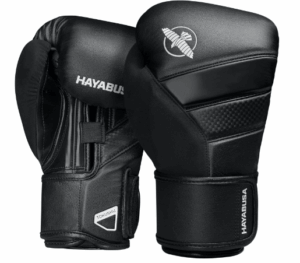
List of the best boxing gloves for beginners. The quality gloves are durable and appealing to boxers of all levels.
BoxingBoxing Training

The Best Boxing Gloves for Beginners: Your Complete 2025 Buying Guide

by Anthony De La Rosa September 4, 2025
written by Anthony De La Rosa

Starting your boxing career can feel like stepping into the ring blindfolded – there’s technique to master, footwork to learn, and the humbling realization that throwing a proper jab requires more coordination than you thought. But before you start channeling your inner Floyd Mayweather, you need to answer one crucial question: What are good boxing gloves for someone just starting to box?

Your gloves are arguably your most important piece of equipment. They protect your hands, your training partners, and occasionally your pride. With an overwhelming number of options flooding the market, finding the best boxing gloves for beginners can feel like navigating a maze while wearing, well, boxing gloves. So, here are 7 of the best boxing gloves that I’d recommend to help get you started.

The 7 Best Boxing Gloves for Beginners in 2025

1. Hayabusa T3 Boxing Gloves

My top pick for the best boxing gloves for beginners, the Hayabusa T3 Boxing Gloves represent the premium end of beginner’s boxing gloves, featuring their renowned five-layer foam system and professional-grade construction. While pricier than budget options, these gloves offer long-term value for serious beginners.

Hayabusa T3 Boxing Gloves

What Makes Them Special:

  • The five-layer foam system provides unmatched hand protection
  • Vylar synthetic leather is more durable than traditional materials
  • Ergonomic thumb design significantly reduces injury risk
  • Dual-X wrist closure system offers maximum support and stability
  • Splinted wrist support prevents dangerous hyperextension

Best for: Serious beginners to intermediate boxers who want to invest in the long-term quality from the start, and fighters planning to train regularly and intensively.

The Hayabusa T3 boxing gloves are great for protecting your hands during training. Although these gloves tend to be more expensive, they're extremely tough and built to last for years.
The Hayabusa T3 Boxing gloves are popular amongst beginner to advanced boxers due to their durability and sleek design.

2. RDX Boxing Gloves

The RDX Boxing Gloves represent exceptional value in the beginner’s boxing gloves category, offering Maya Hide leather construction and advanced protection technology at a budget-friendly price point. These gloves essentially mimic many of the premium features found in higher-end options like the Hayabusa T3, but at a fraction of the cost, making them perfect for beginners who want professional-quality construction without the premium price tag.

What Makes Them Special:

  • Maya Hide leather construction built to withstand demanding training sessions
  • Multi-layer foam and gel technology provide superior impact resistance and wrist protection
  • An advanced ventilation system prevents bacteria buildup and keeps hands dry
  • Thick velcro straps ensure a secure, firm fit during intense training
  • Versatile design works excellently for boxing, kickboxing, and Muay Thai
  • Professional-grade construction is typically found in much more expensive gloves
  • Excellent shock absorption rivals premium brands at half the price

Best For: Budget-conscious beginners who want genuine leather quality, fighters seeking versatile gloves for multiple combat sports, and those who want Hayabusa-level features without the premium cost.

3. Venum Dragon’s Flight Boxing Gloves

The Venum Dragons Flight Boxing Gloves are highly recommended for beginner women boxers, featuring a slimmer profile that fits smaller hand sizes while providing professional-level protection.

What Makes Them Special:

  • Triple-density foam absorbs impact effectively and protects hands and wrists
  • Slimmer profile accommodates smaller hand proportions
  • Excellent grip and effective Velcro closure system
  • Synthetic leather construction balances durability and affordability
  • Available in multiple colorways for personal style expression
  • Perfect for both boxing and Muay Thai training

Best For: Women beginners seeking gloves designed for smaller hands, fighters who want versatility for multiple combat sports.

4. Sanabul Gold Strike Professional Boxing Gloves

The Sanabul Gold Strike Hook & Loop Professional Boxing Gloves bridge the gap between entry-level and premium options, offering professional-grade features at a mid-range price point that makes them among the best boxing gloves for those who plan to train seriously.

What Makes Them Special:

  • Premium engineered leather construction withstands intense training
  • Multi-layer foam padding provides enhanced protection
  • Moisture-wicking inner lining keeps hands dry during long sessions
  • Reinforced palm and thumb construction prevent premature wear
  • Professional-grade velcro closure system ensures a secure fit

Best For: Dedicated beginners who plan to train regularly, fighters wanting gloves that can grow with their developing skills.

5. Everlast Pro Style Training Gloves

A time-tested classic that’s been the gateway into boxing for countless beginners over the decades. When people ask what are some good boxing gloves for beginners, these are often the first recommendation from old-school trainers. There’s a reason they’ve been around for a long time. Since it is the oldest brand on the list, Everlast’s longevity in the sport speaks for itself.

What Makes Them Special:

  • Traditional design with decades of proven effectiveness
  • Full foam padding throughout for consistent protection
  • Easy-to-use velcro closure system
  • Wide availability at most sporting goods stores
  • Multiple color options to match your style
  • Affordable entry point into quality boxing equipment

Best For: Budget-conscious beginners who want a reliable, no-frills option with a proven track record.

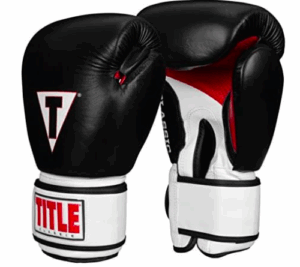
6. Title Boxing Classic Leather Super Bag Gloves

Title Boxing is a huge name in the boxing training space. They have done a great job of going to USA Boxing tournaments and getting their name out through partnering with gyms and popular fighters. Their Classic Hook and Loop Training Gloves bring professional gym quality to the beginner market at an accessible price point. Click here to see the Title Boxing Classic Leather Boxing Gloves.

Title Boxing Super Bag Gloves good training gloves, especially for beginnerers, with over 30 years experience in boxing.
Title Boxing bag bag gloves crafted with 100% cowhide leather. A simple yet effective training glove.

What Makes Them Special:

  • Time-tested construction used in professional gyms worldwide
  • Multi-layered foam padding provides excellent shock absorption
  • Durable synthetic leather withstands heavy bag punishment
  • Secure hook and loop closure allows for quick on/off
  • Moisture-wicking lining keeps hands comfortable
  • Excellent wrist support prevents injury during training

Best For: Beginners who want professional gym-quality gloves without the premium price, fighters seeking proven reliability.

7. Ringside Apex Boxing Gloves

Ringside has been outfitting boxers for generations, and their Apex line brings professional quality to the beginner market. These are some of the best boxing gloves for beginners who want to experience a more professional-grade construction.

Rinside Apex Boxing Gloves

The Rindgeside Apex gloves are popular for their variations of colors and flash. They use synthetic leather, but it seems to hold up well against the competition. They’re more geared for heavy bag work and sparring, as they only come in 14 and 16 ounces.

What Makes Them Special:

  • IMF (Injection Molded Foam) technology ensures consistent padding density
  • Durable synthetic leather construction built to last
  • Moisture-wicking lining prevents odor and bacteria buildup
  • Secure hook and loop closure with reinforced stitching
  • Excellent wrist support prevents hyperextension injuries
  • A professional appearance builds confidence in the gym

Best for: Beginners who want professional-quality construction, fighters seeking equipment that will last through their development.

So what Makes the Best Boxing Gloves for Beginners?

Now that you’ve seen our top recommendations, let’s get into what separates great beginner gloves from the flashy, but impractical options that look good on social media but fail in the gym.

Weight and Size: Heavier Might be Better for Beginners

Here’s your first counterintuitive boxing lesson: as a beginner, you want heavier gloves, not lighter ones. Most experts recommend starting with 14-16 oz gloves because they provide superior protection for both you and your training partners. While experienced fighters might use 10-12 oz gloves for speed work, beginners benefit from the extra padding and the built-in strength training that heavier gloves provide. Think of it as getting two workouts in one – technique practice and resistance training.

Weight Recommendations by Experience Level:

  • Complete Beginners: 14-16 oz for training, 16 oz for sparring
  • After 3-6 Months: 12-14 oz for bag work, 16 oz for sparring
  • Advanced Beginners: 10-12 oz for bag work, 14-16 oz for sparring

Padding Technology That Protects

The best boxing gloves for beginners feature multi-layered foam padding or advanced gel-cushioning systems. You want padding that’s evenly distributed across the knuckles and back of the hand, with special attention to thumb protection. Your hands will thank you after your first intense heavy bag session when you’re not nursing sore knuckles or wondering why you didn’t invest in better protection.

Closure Systems: Convenience Matters More Than You Think

For beginners, velcro (hook and loop) closures are typically the smart choice. They’re easier to put on and take off, allow for quick adjustments during training, and don’t require a training partner to lace you up. Save the traditional lace-up gloves for when you’re more serious about sparring and competition – right now, convenience and consistency in your training routine matter more than looking like a professional fighter.

Durability Without the Premium Price Tag

You want gloves that will last through your learning phase without requiring a second mortgage. Quality synthetic leather or entry-level genuine leather options provide the best value proposition for newcomers who are still figuring out their training frequency and commitment level. There’s no point spending $200 on gloves if you’re not sure you’ll stick with boxing long-term.

Sizing Guide: Finding Your Perfect Fit

Getting the right size is crucial for both protection and performance. Here’s how to determine your ideal glove size when shopping for beginner’s boxing gloves:

  • Hand Size Considerations: Boxing glove sizes are primarily determined by weight (in ounces), rather than hand circumference, unlike other gloves. However, if you have particularly large or small hands, you may need to adjust accordingly. Most manufacturers provide hand circumference guidelines for their specific models.
  • Fit Tips for Maximum Comfort and Protection: Your gloves should feel snug but not restrictive. You should be able to make a fist comfortably, and there shouldn’t be excess space at the fingertips. Remember, you’ll likely be wearing hand wraps under your gloves, so factor that additional bulk into your fitting decision. The gloves should feel like a natural extension of your hands, not bulky mittens that hinder your movement.
  • Gender-Specific Considerations: Women often benefit from gloves with a slimmer profile, like the Venum Dragon’s Flight mentioned above. Traditional boxing gloves are designed with average male hand proportions in mind, so women may find that certain brands fit them better than others. Don’t just assume that smaller sizes will automatically fit better – the shape and internal volume matter more than the overall size designation.

Budget Considerations: Getting Maximum Value

As a beginner, you don’t need to spend a fortune on gloves, but investing in quality will pay dividends in comfort, protection, and durability. Here’s how to maximize your investment when shopping for good gloves within your price range.

Budget Ranges and What to Expect:

  • Entry Level ($20-40): Sanabul Essential, basic Everlast models – great for casual training
  • Mid-Range ($40-80): Hayabusa T3, Sanabul Gold Strike – perfect for regular training
  • Premium ($80-150+): High-end options for serious beginners who plan to train intensively

Value Considerations That Matter: The sweet spot for most beginners is the $40-80 range, where you get significant quality improvements over budget options without paying for features you won’t appreciate as a newcomer. This price range typically offers better padding, more durable construction, and improved comfort features that make your training sessions more enjoyable and productive.

Common Beginner Mistakes to Avoid

Buying Too Light to “Look Professional”: Resist the temptation to buy lighter gloves because you think they look more serious or professional. Heavier gloves provide better protection for beginner boxers. Your ego might want 10oz gloves, but your hands need 16oz protection.

Ignoring Proper Fit: Gloves that are too large or too small can cause injuries and hinder skill development. Take the time to research sizing charts and read reviews from people with similar hand sizes. An ill-fitting glove is worse than a cheap glove – at least cheaper gloves that fit properly can still protect you.

Skipping Hand Wraps: Always use hand wraps under your gloves, regardless of which beginner’s boxing gloves you choose. Hand wraps provide additional protection for your wrists and knuckles while helping your gloves last longer by absorbing moisture and reducing interior wear.

Buying the Absolute Cheapest Option: While budget matters, extremely cheap gloves (under $15) often lack adequate protection and fall apart quickly. You’ll end up spending more money replacing them than if you’d invested in a quality pair initially. Sometimes the cheapest option ends up being the most expensive in the long run.

Maintenance Tips: Making Your Investment Last

Regardless of which gloves you choose, proper care will extend their lifespan significantly and keep them hygienic for years of training.

After Each Training Session:

  • Wipe down the exterior with a damp cloth to remove sweat and dirt.
  • Allow gloves to air dry completely before storing them.
  • Use glove deodorizers, dryer sheets, or cedar shoe inserts to prevent odor buildup.
  • Never store damp gloves in a closed bag – this creates a breeding ground for bacteria.

Weekly Maintenance Routine:

  • Clean the interior with an antibacterial spray designed for sports equipment.
  • Check for wear and tear, especially around seams and high-stress areas.
  • Rotate between multiple pairs if possible. This allows for complete drying between sessions.
  • Inspect velcro closures for debris that might affect their grip.

Long-term Storage Tips:

  • Store in a well-ventilated area away from direct sunlight
  • Avoid extreme temperatures that can break down synthetic materials
  • Use glove dogs, newspaper, or moisture-absorbing packets to maintain shape and absorb residual moisture
  • Consider investing in a gear bag with ventilation if you train regularly

The Bottom Line: Start Your Boxing Training Right

Choosing the best boxing gloves for beginners doesn’t have to be overwhelming when you focus on the fundamentals: protection, comfort, and quality construction within your budget. Whether you opt for the budget-friendly Sanabul Essential Gel Boxing Gloves or invest in the premium Hayabusa T3, the most important thing is finding gloves that you’ll use consistently and that will protect your hands as you develop your skills.

Remember, the best gloves are the ones that encourage you to train regularly and build your confidence in the gym. What are good boxing gloves for you might be different from what works for someone else, but any of our seven recommendations will serve you well as you begin your boxing career.

Your path to becoming a skilled boxer starts with that first training session, and having the right equipment removes one more barrier between you and your goals. Don’t overthink it – pick a pair from our list that fits your budget and training plans, wrap your hands properly, and start throwing punches.

The heavy bag is waiting, and the gloves aren’t going to break themselves in, so it’s time to stop reading and start punching.

September 4, 2025 0 comments
0 FacebookTwitterPinterestEmail
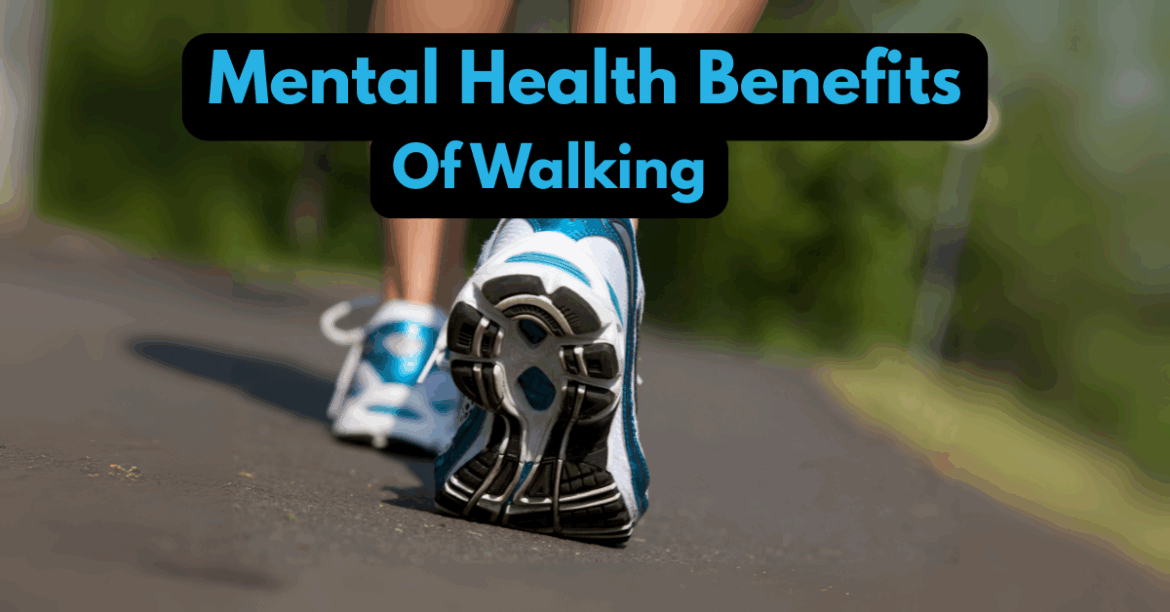
Walking is great for your mental health. It has many advantage for your mind and body.
ExerciseFitness TipsMental HealthWalkingWeight Loss

How Walking Can Improve Your Mental Health

by Anthony De La Rosa July 1, 2025
written by Anthony De La Rosa

More Than Just Steps

Have you been hearing about the mental health benefits of walking? In a high-paced world, finding simple, effective ways to manage our mental well-being is more crucial than ever. While fitness trends come and go, there’s one activity that stands the test of time, offering big benefits for both body and mind: walking. This article gets into the mental and psychological benefits of simply putting one foot in front of the other. We’ll talk about how walking can act as a natural antidote to anxiety, a powerful tool against depression, and an effective way to reduce stress.

Beyond just feeling good, we’ll uncover the science behind how walking positively impacts your brain, boosting mood-enhancing neurotransmitters and sharpening cognitive function. You’ll learn how a regular walking routine can lead to improved sleep, enhanced creativity, and a greater sense of self-esteem. Let’s take a look at some of the advantages that simply walking can have for your mind and body.

The Science Behind the Stride: How Walking Impacts Your Brain

Before we jump into the list of walking’s mental health perks, let’s get a little nerdy (but in a cool, approachable way, I promise). How exactly does a stroll around the block translate into a calmer, happier you?

  • Neurotransmitter Nirvana: When you walk, your brain releases a cocktail of feel-good neurotransmitters. Think serotonin, dopamine, and endorphins. These are your body’s natural mood elevators, pain relievers, and stress busters. Ever felt that post-walk euphoria? That’s some of these natural feel-good hormones being elevated. 
  • Reducing the Stress Hormone: Cortisol, often dubbed the “stress hormone,” can wreak havoc on your mental and physical health when consistently elevated. Regular walking helps to regulate cortisol levels, effectively dialing down your stress response. So, next time you’re feeling overwhelmed, skip the doom-scrolling and go for a walk instead.
  • Boosting Brain-Derived Neurotrophic Factor (BDNF): This little gem is like fertilizer for your brain. BDNF promotes the growth of new brain cells, improves existing ones, and helps your brain function more efficiently. And what encourages its production? You guessed it — physical activity, including walking! This means better memory and enhanced cognitive function.

The Mental Health Benefits of Walking

The mental health benefits of walking is starting to gain mainstream popularity. Some of the benefits may include:

  • Anxiety Annihilator: Feeling those familiar jitters? A brisk walk can be an incredibly effective way to reduce symptoms of anxiety. The rhythmic motion, the focus on your surroundings, and the release of those calming neurotransmitters can help to quiet a racing mind and bring you back to the present moment.
  • Depression Demolisher: While walking isn’t a cure-all for clinical depression, it’s a powerful tool in its management. Studies have shown that regular physical activity, including walking, can be as effective as some medications in treating mild to moderate depression. It provides a sense of accomplishment, boosts self-esteem, and offers a much-needed break from negative thought patterns. Getting your steps in can reduce depression, research finds. 
  • Stress Buster: We live in a fast and sometimes high-stress world. Walking offers a simple, accessible escape. Whether it’s a quick five-minute break or a longer evening stroll, the act of walking allows you to clear your head, process thoughts, and release tension from your body. It’s like hitting the reset button for your mind.
  • Mood Mover and Shaker: Ever noticed how a bad mood can magically dissipate after a walk? That’s no coincidence. The endorphin rush and the shift in focus can significantly improve your mood, making you feel more optimistic and energetic. Think of it as a natural antidepressant with no pesky side effects (well, maybe a little sweat).
  • Cognitive Clarity: Struggling to focus? Feeling a bit foggy? A walk can sharpen your mind. The increased blood flow to your brain, coupled with the mental break, can lead to improved concentration, better decision-making, and enhanced problem-solving abilities.
  • Improved Sleep Quality: If you’re tossing and turning at night, consider adding a regular walk to your routine. Physical activity helps regulate your sleep-wake cycle, leading to deeper, more restorative sleep. Just try not to walk right before bed, as that energy boost might keep you up!
  • Enhanced Creativity and Problem-Solving: Feeling stuck on a project or a tricky problem? Go for a walk! Research has shown that walking can significantly enhance creative thinking. The change of scenery, the gentle movement, and the reduced stress can help new ideas flow freely. It’s like giving your brain a little playground to explore.
  • Increased Self-Esteem and Body Image: As you consistently show up for yourself and experience the physical and mental benefits of walking, your self-esteem will naturally grow. Achieving fitness goals, no matter how small, provides a sense of accomplishment and empowerment, leading to a more positive body image.
  • Social Connection (or Solitude, Your Choice!): Walking can be a fantastic way to connect with others — joining a walking group, strolling with a friend, or even just smiling at fellow walkers on your path. But it’s also a perfect opportunity for solitude, introspection, and quiet reflection. You choose what you need at that moment.
  • Mindfulness in Motion: Walking offers a perfect opportunity to practice mindfulness. It’s a perfect time for you to work on your breathwork and deep breathing. Work on breathing and being in the present moment.

Beyond the Brain: Other Incredible Benefits of Walking

While our focus today is on the incredible mental health benefits of walking, it would be remiss not to mention the bounty of physical perks that come along for the ride.

  • Cardiovascular Health: Regular walking strengthens your heart, lowers blood pressure, and improves circulation, reducing your risk of heart disease and stroke.
  • Weight Management: While it might not be as intense as a HIIT session, consistent walking burns calories and can contribute significantly to weight loss or maintenance.
  • Stronger Bones and Muscles: Walking is a weight-bearing exercise that helps build and maintain bone density, reducing the risk of osteoporosis. It can also help strengthen your leg muscles, core, glutes, and calves.
  • Increased Energy Levels: Counterintuitive as it may seem, expending energy through walking increases your overall energy levels. Say goodbye to that afternoon slump!
  • Improved Digestion: A post-meal stroll can aid digestion and alleviate bloating. Some new evidence is beginning to suggest that blood glucose levels, which usually elevate to the highest 30–60m after a meal, may be kept in check. According to this popular government health site:

“BS is at its highest 30–60 minutes after a meal and reaches its lowest 2–3 hours after a meal in normal people. This schedule was confirmed in our trials. Accordingly, if walking is started as soon as possible after a meal, the increase in BS level will be limited by BS consumption during walking, and the insulin increase that occurs in response to a meal load will be restricted as well”. https://pmc.ncbi.nlm.nih.gov/articles/PMC3119587/

There is not yet enough evidence to validate this statement, but doctors and nutritionists have been more vocal about the benefits of walking after eating a meal.

Making Walking a Habit: Tips and Tricks

So, how do you make this profound act a regular part of your life?

  • Start Small, Dream Big: Don’t feel pressured to walk miles on day one. Begin with 10–15 minutes a few times a week and gradually increase your duration and intensity. Walking at a quicker pace, or with a weighted vest as you get better, is a good way to build up the lungs and keep it challenging.
  • Find Your Rhythm: Whether it’s a brisk power walk, a stroll, or something in between, find a pace that feels good for you.
  • Mix It Up: Explore different routes, terrains, and environments. Walk in your neighborhood, or a local park, or even try a treadmill. Variety is the spice of life (and walking!).
  • Buddy Up or Go Solo: Some days you might crave the company of a friend or a walking group. On other days, you might prefer the solitude of your thoughts. Both are equally valid and beneficial.
  • Embrace the Elements: Don’t let a little rain or chill deter you. Invest in appropriate gear, and you might find that walking in different weather adds a refreshing element to your routine.
  • Listen to Your Body: If you start to feel pain in your lower extremities, then rest up and allow your body to get used to the new walking schedule. It’s a marathon, not a sprint, and respecting your body will ensure you can keep walking for years to come.

When Life Gets in the Way: Overcoming Obstacles

We all have those days when motivation is nowhere to be found, or life just gets in the way. Don’t beat yourself up! The key is to be flexible and forgiving. Can’t do a long walk? Squeeze in a few short 10-minute bursts. Too busy to leave the house? Pacing around your living room counts! The goal is progress, not perfection. And remember, sometimes the hardest part is just putting on your shoes. Once you’re out there, the benefits often kick in before you know it.

A Happier Mind Can Start with a Single Step

There you have it. The easy act of walking is a surprisingly powerful antidote to the stresses of modern life. From calming anxiety and battling depression to boosting creativity and improving sleep, the mental health benefits of walking are truly profound. It’s free, accessible to most, and offers a wealth of physical perks to boot.

So, what are you waiting for? Lace up those walking shoes, step outside, and discover the power of your own two feet. Your mind and body will thank you for it. So get to walking!

Interested in starting a walking routine? The National Institute of Diabetes and Digestive and Kidney Diseases has some great tips. Click here.

July 1, 2025 0 comments
0 FacebookTwitterPinterestEmail
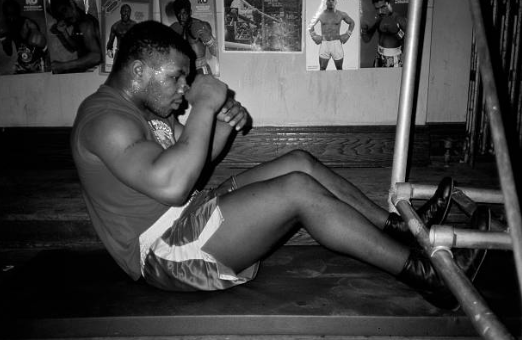
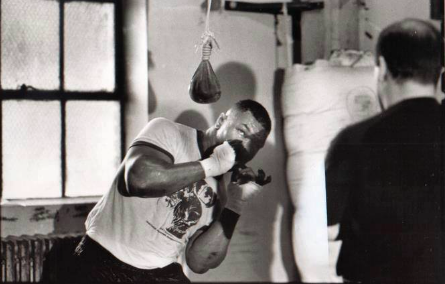
Mike Tyson workout in the Catskill Mountains early in his career.
BoxingBoxing TrainingExercise

Mike Tyson’s Training Routine to Become The Heavyweight Champ

by Anthony De La Rosa July 1, 2025
written by Anthony De La Rosa

Ever wondered how Mike Tyson’s training routine transformed a raw and troubled teenager into the youngest heavyweight champion in boxing history? It wasn’t just raw talent; it was a strong commitment to brutal, old-school training that transformed a troubled kid into the youngest heavyweight champion of all time. Before the fancier boxing gyms in the mid-80s, it was about sweat, sacrifice, and tons of repetition, straight from the Catskill Mountains in New York, where an early-Mike Tyson trained.

We’re diving deep into Mike Tyson’s training in his early career, exploring the foundations laid by his legendary mentor, Cus D’Amato, and the execution under Kevin Rooney. If you’re looking to understand the dedication behind “Iron Mike’s” explosive power, incredible speed, and impenetrable defense, you’ve come to the right place. 

The Mike Tyson Workout Schedule: A Day in the Life of a Champion

Mike Tyson’s training routine was less a schedule and more a monastic existence, utterly devoted to the craft of boxing. It was about instilling habits that became second nature and a pursuit of perfection. Here is what a typical day looked like for a young, seemingly unstoppable Mike Tyson:

  • 4:00 AM — 5:00 AM: The Early Bird Gets the EdgeRoadwork: A grueling 3–7 mile run, even in the snow and cold during winter, designed to build an iron-clad aerobic base and mental toughness. It wasn’t just a casual jog; it was a sustained pace that pushed his limits.
  • 6:00 AM: Calisthenics Bodyweight Blitz: Hundreds of push-ups, sit-ups, dips, and neck bridges. Mike Tyson was notorious for his bodyweight workouts and rarely touched heavy weights early in his career. Lifting weights for boxing didn’t become mainstream until the early 90s, so a lot of the old-school training relied on bodyweight movements, running, and tons of corework. 
  • 10:00 AM: Breakfast & Vitamins: A carefully managed intake of nutrients to fuel the intense physical demands of working out hard 2–3 times per day. 
  • Noon: The Sweet Science — Part 1Boxing Training & Sparring: 10–15 rounds of intense sparring, often against fresh partners, forcing constant adaptation and reaction. The focus was on refining specific techniques, defensive movements, and applying the “Peek-A-Boo” style.
  • 3:00 PM: More Power and PrecisionCalisthenics & Bag Work: Another round of calisthenics, followed by heavy bag work (focused on rhythm, timing, and devastating combinations), speed bag work (for hand-eye coordination), and skipping rope (for endurance and footwork).
  • 5:00 PM: Cool Down or More Roadwork: Either additional roadwork or a dedicated cool-down session.
  • 7:00 PM: Dinner & Early to Bed: Strict, functional meals and early rest to optimize recovery for the next grueling day.
Video of Mike Tyson’s training and workout routine under trainers Cus D’Amato and Kevin Rooney.

Mike Tyson Training: Calisthenics, Roadwork and Boxing Workouts

One of the most remarkable aspects of Mike Tyson’s conditioning workouts was his reliance on high-volume calisthenics. Forget barbells and dumbbells — Tyson’s incredible physique and explosive power were built through mastering his body weight. He wasn’t just doing a few sets; he was doing thousands of reps, cumulative throughout the day.

Here’s a breakdown of Mike Tyson’s Legendary Workouts:

  • 2,000 Sit-ups: Yes, you read that right. Full sit-ups, building a strong core for generating knockout power, and absorbing punishing body shots. This was distributed throughout his training sessions.
  • 500–800 Dips: Targeting triceps, shoulders, and chest for pure pushing power.
  • 500–800 Push-ups: A foundational exercise for upper body strength, working the chest, shoulders, and triceps.
  • 500–800 Shrugs (with light weights if any): Not heavy powerlifting, but high repetitions focused on building neck and trap strength. This was crucial for absorbing punches, preventing concussions, and maintaining his famously short, thick neck.
  • Neck Bridges (Hundreds): A signature Cus D’Amato exercise, performed lying on his back or stomach and bridging up onto his head. This brutal exercise strengthened his neck muscles from every conceivable angle, making his neck a formidable armor against incoming blows. Tyson also popularized the use of a neck weight for this exercise.
  • 10–20 minutes of Core & Other Exercises: Beyond the bridging, specific movements to build even more resilience and strength in the neck and abdominal areas.

This immense volume of bodyweight exercises, combined with his relentless roadwork, sculpted a fighter who was not only incredibly strong but also lean, explosive, and seemingly tireless. His strength was functional, directly applicable to the devastating power of his punches and the resilience of his defense, evading and grappling with Heavyweights.

The Sweet Science: Cus D’Amato’s Masterclass in Precision and Devastation

While the physical conditioning was insane, the true genius behind Mike Tyson’s training routine lay in the boxing philosophy imparted by Cus D’Amato and Teddy Atlas. and continued by Kevin Rooney. The style is not about just throwing punches; it is about creating a “fighting machine” through a unique style and unwavering mental fortitude.

The “Peek-A-Boo” Style: Defensive Mastery, Offensive Fury

Cus D’Amato and Kevin Rooney drilled the “peek-a-boo” style into Tyson. This high guard, with hands held close to the face and rapid, constant head movement, was designed to:

  • Make Opponents Miss: The continuous bobbing and weaving made Tyson a very elusive target.
  • Lateral Footwork and Pivots: Although it seems that this style is a completely come-forward style, there was a lot of lateral footwork to get in the right positions to unleash heavy punches. There was also a lot of squatting, bobbing and weaving, slipping, and especially pivoting around or the side of opponents to create angles. 
  • Frustrate Opponents: Missing punches drain an opponent’s energy and morale.
  • Unleash Devastating Counters: The head movement and footwork put Tyson in the perfect position to counter with explosive power.

Tyson would drill the same combinations, the same head and foot movements, over and over again until they became muscle memory. Repetition was paramount.

Mike Tyson’s Boxing Drills: Honing the Tools of Destruction

  • Shadowboxing: Often cited by Cus as the most important boxing exercise, shadowboxing was where Tyson built and perfected his technique. Every movement, every punch, every defensive maneuver was practiced with intent and precision, often with specific feedback from his trainers.
  • Sparring: This wasn’t just open sparring. Cus and Kevin Rooney meticulously controlled these sessions. Tyson would face multiple partners, often fresh ones in quick succession, forcing him to adapt to different styles, maintain a relentless pace, and execute specific offensive and defensive maneuvers under pressure. Cus was very strict about who came to see the sparring. Besides the sparring partners’ coaches and team, he usually let in reporters and old friends he had known in the sport. 
  • Heavy Bag Work: More than just mindless pounding, Tyson hit the heavy bag for rounds, focusing on power, rhythm, and developing his devastating combinations. Each punch had a purpose — sinking into it, using his entire body to deliver maximum force. They would use a number system for the punches and combinations, and would have Mike go through these combinations until they were embedded into his mind and body. 
  • Slip Bag: “Iron Mike” popularized the teardrop-shaped slip bag. He would shadowbox extensively with it, perfecting his famous slips and side-to-side head movements, making him virtually unhittable at times. This was tailor-made for his peek-a-boo style. He would slip side-side-side, and weave under the bag and come back with punches. Mike became an expert at this bag, and it was perfect with his slipping and side-stepping style.
  • Speed Bag Work: Essential for developing lightning-fast hand-eye coordination, rhythm, and shoulder endurance. Tyson spent significant time making the speed bag sing with its rapid-fire bounces.
  • Skipping Rope (Jumping Rope): A cornerstone of his training, building great endurance, good footwork, coordination, and rhythm. Tyson could skip for extended periods, incorporating complex movements that mirrored his elusive ring presence. It was impressive seeing a guy who was built like a running back able to jump rope so fast and so long.
  • Pad Work: Working with trainers like Kevin Rooney on the mitts was crucial for refining combinations, timing, and pinpoint accuracy. Rooney would call out combinations, and Tyson would unleash them with explosive power and precision, demonstrating the seamless flow of the peek-a-boo style. Along with Emmanuel Steward and his stable in the late 70s to early 80s, Rooney and Mike helped popularize mittwork in boxing. 
Mike Tyson using the slip bag with Kevin Rooney looking on. Tyson loved the slip bag for its ability to make him move his head and counter.

The Unseen Weapon: Mental Fortitude and Cus D’Amato’s Psychology

Beyond the physical aspect of boxing, Cus D’Amato was a psychologist in the boxing world. He didn’t just train Tyson’s body; he trained his mind. He systematically dismantled any self-doubt and instilled an almost cult-like belief in his invincibility. His famous mantra, “Fear is your best friend and your worst enemy,” taught Tyson to confront and harness his fear, turning it into fuel.

Every aspect of the training, from the grueling early-morning runs to the late-night strategy sessions and studies of old fight films, was designed to create an unshakeable belief that Mike Tyson was born to be a champion and that no one could stop him. This mental conditioning was as vital as any physical drill.

Kevin Rooney, who took the reins after Cus’s passing, understood this philosophy just as much. He kept Tyson disciplined, ensuring that the habits and techniques ingrained by Cus remained sharp. The focus was always on functional strength and relentless conditioning, not heavy lifting. Tyson’s power came from his explosive bodyweight movements, tireless roadwork, and the pure, refined mechanics of his punches.

Mike Tyson training under the watchful eyes of Cus D/Amato and Kevin Rooney during his heavyweight climb.

The Champion’s Fuel: Mike Tyson’s Diet

Tyson’s diet during his prime was carefully managed, though not overly complex. It was purely about providing fuel for the machine and optimizing performance and recovery.

  • Lean Protein: Essential for muscle repair and growth, likely from sources like lean meats (chicken, steak) and fish.
  • Complex Carbohydrates: For sustained energy, from sources like oats, rice, and pasta.
  • Plenty of Water: Crucial for hydration and overall bodily function during intense training.
  • Vitamins and Supplements: To ensure he received all necessary micronutrients.

There were no cheat days or elaborate gourmet meals. It was a functional diet designed to support his punishing workout routine.

The Championship Reign: Maintaining the Edge

During his title reign (1986–1990), Tyson’s training program stayed true to D’Amato’s foundations, even after Cus’s passing. Trainer Kevin Rooney, a D’Amato disciple, kept the focus on calisthenics, roadwork, and technical drills. Tyson’s lean, explosive physique — built for speed, not bulk — overwhelmed opponents like Trevor Berbick and Larry Holmes.

Weights, if used, were light and supplementary. His power came from the kinetic chain: legs, hips, and core, honed through dynamic movements.

The Shifting Sands: When the “System” Changed

It’s often debated why Tyson’s dominance waned later in his career. Many point to the increased use of weightlifting. While it’s true he incorporated more traditional weight training later on, it’s crucial to understand the context: the departure of key figures and the introduction of new trainers who didn’t fully grasp the holistic “Cus D’Amato system.”

After the split with Kevin Rooney — a decision widely considered catastrophic for Tyson’s career — new trainers often brought different philosophies, some leaning more towards conventional strength and conditioning, including heavy weightlifting. This wasn’t inherently “bad,” but it wasn’t integrated into the unique, finely-tuned system that Cus and Rooney had perfected for Tyson.

Tyson’s style was built on speed, explosive bursts, incredible head movement, and unique angles. When he started adding significant bulk through heavy lifting, without the same emphasis on agility drills, constant sparring with varying partners, and precise technical refinement, it could indeed hinder his natural attributes.

A heavier, bulkier fighter can be powerful, but it often comes at the cost of endurance, speed, and the lightning-fast reflexes that defined Tyson’s early dominance. He became more reliant on single, devastating power shots rather than the multi-punch combinations that bewildered opponents in his prime.

It wasn’t simply that “weights hurt him.” It was that the training philosophy changed. The unique, almost magical blend of physical and psychological conditioning that had made him invincible was no longer consistently in place. The continuous and meticulous drilling of the peek-a-boo style under Rooney was replaced by a more fragmented approach. Without the consistent guidance of someone who understood the nuances of his specific fighting style, Tyson’s training became less about refining his unique gifts and more about generic strength building. Age also played a role, making it harder to maintain the lean, explosive physique of a young, hungry fighter.

The Enduring Legacy of Tyson’s Workouts

Mike Tyson’s early training routine is a lesson in dedication, discipline, and the big impact of a visionary mentor like Cus and his team. It demonstrates that true boxing isn’t just about throwing punches; it’s about building a strong foundation of physical endurance, functional strength, precise technique, and an indomitable will.

The image of a young Mike Tyson waking up in the Catskills at 4 AM, running through the cold and snow, and then spending hours performing thousands of bodyweight exercises before even stepping into the ring, should be etched into the mind of anyone serious about pursuing boxing and learning to train hard. It wasn’t glamorous, but it was highly effective. It forged a young guy from Brownsville, Brooklyn to become “The Baddest Man on the Planet.” And while his later career saw shifts in his training and his corner, the core lessons from the Catskills remain the defining testament to his incredible physical and mental will.

So, the next time you think that you need the newest training trends or top facilities to get better, remember Mike Tyson’s workout and training in his early days. It wasn’t about the fancy equipment or the latest trends. It was about the hard work, the discipline, and the relentless pursuit of perfection. That’s how Mike Tyson became a legend.

July 1, 2025 0 comments
0 FacebookTwitterPinterestEmail
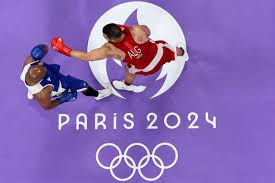
Boxing 2028 Olympics in Los Angeles.
BoxingBoxing News

Olympic Boxing Will Resume in 2028 in Los Angeles

by Anthony De La Rosa March 20, 2025
written by Anthony De La Rosa

Many boxing fans wondered if boxing would be around for the 2028 Olympics. Well, the gloves are staying on for the 2028 Los Angeles Olympics. After a rollercoaster of uncertainty, the International Olympic Committee (IOC) has officially confirmed that boxing will remain part of the Games. It’s a big win for the sport, which has been an Olympic staple since 1904—well, except for that one time in 1912 when Sweden banned it (talk about a knockout blow).

Why Was Boxing Threatened to be Suspended?

Boxing’s Olympic future was on the ropes for a while, and the reasons behind it are a mix of governance issues, financial mismanagement, and officiating scandals. The International Boxing Association (IBA), formerly known as AIBA, was at the center of the controversy.

The IBA faced allegations of corruption, match-fixing, and a lack of financial transparency, which led the International Olympic Committee (IOC) to suspend its recognition in 2019. Despite being given multiple opportunities to reform, the IBA failed to meet the IOC’s standards, resulting in its permanent expulsion in 2023.

Former Olympic Champions That Became World Boxing Champions. Thankfully, there will be more Olympic champions in the 2028 Olympics who will go on to be world champions.

The IOC itself has faced its share of challenges in recent years. Critics have pointed to issues such as inconsistent decision-making, controversies over host city selections, and concerns about the transparency of its processes. For example, the IOC has been under scrutiny for its handling of athlete protests and its approach to addressing doping scandals.

These challenges have raised questions about the organization’s ability to effectively govern and maintain the integrity of the Olympic Games.

In the case of boxing, the IOC took matters into its own hands by running the boxing tournaments at the Tokyo 2020 and Paris 2024 Games. However, it made it clear that it wouldn’t continue to do so indefinitely. This left boxing’s inclusion in the 2028 Los Angeles Olympics in jeopardy until World Boxing, a new governing body, stepped in to fill the void.

What Changed?

Enter World Boxing, a new governing body created to save the day. With a mission to ensure boxing’s Olympic status, World Boxing stepped up and earned provisional recognition from the IOC last month. This week, the IOC voted unanimously to include boxing in the 2028 Games, giving athletes and fans a reason to celebrate. As World Boxing president Boris van der Vorst put it, “This is a great day for boxers, boxing, and everyone connected with our sport at every level across the world.”

Of course, there’s a catch. Only athletes whose national federations are members of the World Boxing will be eligible to compete in Los Angeles. So, if the federation hasn’t joined yet, it’s time to get moving—or risk sitting out the Games. Most countries will likely become eligible for the Los Angeles Olympics.

The decision to keep boxing in the Olympics is more than just a win for the sport; it’s a testament to its resilience and international growth. From its ancient roots to its modern-day battles, boxing has always been about grit, determination, and the thrill of the fight. And now, it’s ready to take center stage once again in 2028.

So, here’s to boxing’s comeback story—a reminder that even when the odds are stacked against you, a well-timed punch can turn things around.

March 20, 2025 0 comments
0 FacebookTwitterPinterestEmail
Newer Posts
Older Posts

Social Connect

Facebook Twitter Instagram Linkedin Youtube

Recent Posts

  • Ten-Minute Ab Workout for Home

  • The Best Boxing Gloves for Beginners: Your Complete 2025 Buying Guide

  • How Walking Can Improve Your Mental Health

  • Mike Tyson’s Training Routine to Become The Heavyweight Champ

  • Olympic Boxing Will Resume in 2028 in Los Angeles

Newsletter

Categories

  • About (1)
  • Activities (1)
  • Boxing (5)
  • Boxing News (2)
  • Boxing Training (3)
  • Build Muscle (1)
  • Cooking (1)
  • Exercise (7)
  • Featured (1)
  • Fitness (9)
  • Fitness Tech (1)
  • Fitness Tips (12)
  • Gym (3)
  • Mental Health (3)
  • Mobility (1)
  • Nutrition (1)
  • Protein (1)
  • Running (2)
  • Strength Training (2)
  • Stretching (1)
  • Uncategorized (1)
  • Walking (2)
  • Weight Loss (7)
  • Facebook
  • Twitter
  • Instagram
  • Youtube

2024 - All Right Reserved

DeLaRosa Fit – Personal Trainer in Las Vegas
  • Blog
  • Las Vegas Personal Training
  • Services
  • About Me
  • Contact

Shopping Cart

Close

No products in the cart.

Close